Al-Qahirah — القاهرة Cairo
One of the world's great cities — where 5,000 years of history meet 22 million lives. Ancient pyramids cast shadows on glass towers. The Nile runs through it all, as it always has.


Cairo is simultaneously the oldest and the newest — a city where you can stand at the foot of a 4,500-year-old pyramid in the morning and dine in a rooftop restaurant overlooking the Nile at night.
Umm al-Dunya — Mother of the World
The ancient Egyptian name for Cairo's region was Memphis — the first great city of the ancient world. What stands today as Cairo was founded in 969 AD by the Fatimid Caliphate, on a site already 5,000 years old when they arrived.
The city's Arabic name al-Qahirah means "The Vanquisher" or "The Victorious" — named after the planet Mars, which was rising at the time of the city's foundation, according to the astrologers of the Fatimid court. Egyptians themselves simply call it Masr — the same word they use for Egypt itself. The city and the country are, in the Egyptian mind, the same thing.
When Alexander the Great conquered Egypt in 332 BC, Cairo's region was already 3,600 years old — older to him than he is to us. It has been capital, provincial city, and capital again. Every conquering civilization — Pharaonic, Persian, Greek, Roman, Arab, Ottoman, British — has left a layer. Cairo is a city of layers, and you can see them all simultaneously.
The "Greater Cairo" Distinction
When Egyptians say "Cairo" they typically mean the entire Greater Cairo conurbation — which includes Cairo Governorate, Giza Governorate, and Qalyubia Governorate. With a combined population of 22.6 million (CAPMAS 2024), it is the 5th largest metropolitan area in the world after Tokyo, Jakarta, Delhi, and Shanghai. The administrative city of Cairo has a governorate population of 10.4 million.
A Brief History
Cairo is not one city but many — each neighbourhood a different world. From the medieval lanes of Islamic Cairo to the leafy boulevards of Zamalek, here is a guide to where to stay, live, and explore.


Cairo has one of the most complex — and surprisingly comprehensive — public transport systems in the developing world. Knowing how to use it transforms the experience of the city.
Operating hours: Daily 5:30 AM – 12:00 AM (midnight). Friday hours may vary.
Ticket prices: 8–20 EGP depending on number of stations (as of 2024). Monthly passes available for frequent users.

6 October Line: Connects October 6 City to the Nile. 54 km, 21 stations.
New Capital Line: Connects New Administrative Capital to Nasr City. 57.5 km, 22 stations.

CTA Buses: Numbered routes, fares from 3–10 EGP. Stops are marked but schedules are informal.
Air-Conditioned Buses (AC): Higher-quality service on main routes. Fare 7–15 EGP.
Minibuses (Microbus): Small private buses operating on fixed routes. Extremely cheap (2–5 EGP) but crowded. Ask locals — no formal stops.
White Taxis (official): Use the meter — insist on it. Starting fare EGP 5, then per km. White taxis are the official metered cabs.
Black & White Taxis (old): Older unmetered cabs — negotiate price before entering. Around EGP 30–80 for most city trips.
Typical fares (2024): Airport to downtown ~EGP 250–350 (Uber) · Zamalek to Maadi ~EGP 80–120 · Within downtown ~EGP 30–50.
Major ferry routes: Maspero (downtown) ↔ Imbaba · Giza ↔ Rawda Island · Maadi ↔ Giza.
Operating hours: 6:00 AM – 10:00 PM daily.
Fare: 2–5 EGP per crossing.
Felucca (traditional sailboat): For tourists and leisure — hire from any Nile corniche. Typically EGP 100–200/hour. Best at sunset between Zamalek and Giza.
Terminal 1: Older terminal — EgyptAir regional flights, charter flights, some Arab carriers.
Terminal 2: EgyptAir international flights, most major European and Gulf carriers.
Terminal 3: Newest terminal — Nile Air and several low-cost carriers.
Getting to the city:
• Metro (Line 3): New El-Marg / Cairo Airport station — cheapest option (EGP 20), ~35 min to Tahrir. Station is a short walk or shuttle from terminals.
• Uber/Careem: EGP 250–400 depending on destination. Most reliable for first-time visitors.
• Official Airport Taxi: Fixed price (EGP 350–500 downtown). Available at taxi desks in arrivals.
Explore Cairo's geography — from the Nile Delta in the north to the Giza plateau in the west. Key landmarks, districts, and transport hubs all at a glance.
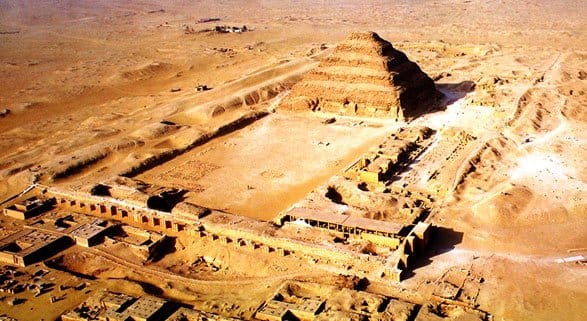
Cairo contains more history per square kilometre than almost any city on Earth. Three great civilisations — Pharaonic, Coptic, and Islamic — each left a visible, visitable layer. Here is where to find them.




The Holy Family in Egypt
According to Christian tradition, the Holy Family (Mary, Joseph, and the infant Jesus) fled to Egypt from Herod's persecution and spent several years in the country. The traditional route — from the Mediterranean coast through the Delta, down to Cairo, and then into Upper Egypt — passes through many of the churches and sites of Coptic Cairo. The church of Abu Serga marks their resting place. This "Holy Family Trail" is a significant pilgrimage route for Christian visitors to Egypt.
Cairo rewards time. Here are four carefully planned days — each building a different understanding of the city.
Cairo's food culture is one of the great unsung pleasures of travel — ancient recipes, extraordinary street food, and a restaurant scene that has exploded in sophistication since 2015. Here is where to eat.
The Essentials — What Cairo Eats
Cairo's food identity is built on a handful of dishes so deeply embedded in daily life that they function almost as civic institutions. Eating them is not tourism — it is participation.
- Koshary — Egypt's national dish. Lentils, rice, macaroni, chickpeas, fried onions, and two sauces (tomato and vinegar-chilli). A complete meal for EGP 15–40. Koshary Abou Tarek in downtown Cairo is the temple of the dish — three floors, thousands of customers daily since 1950.
- Ful Medames — Slow-cooked fava beans with olive oil, lemon, and cumin. Egypt's breakfast for 5,000 years. Best from street carts in the early morning, before 9 AM.
- Ta'amiya (Falafel) — Egyptian falafel is made from fava beans, not chickpeas — greener inside, more delicate than the Lebanese version. Sold from small shops everywhere.
- Hawawshi — Spiced minced meat baked inside crispy flatbread. Cairo's great street sandwich — best from Hawawshi El-Maadawi in Maadi or neighborhood bakeries throughout the city.
- Om Ali — Egypt's bread pudding: layers of pastry, milk, cream, raisins, and nuts baked until golden. The national dessert. Available everywhere but best homemade-style.

Lunch: 2–4 PM — the main meal of the day
Dinner: 9 PM–midnight — restaurants fill after 9
Ramadan: Iftar (sunset) and Suhoor (2–4 AM) — the city transforms entirely. Street food and tent dining everywhere. One of the world's great food experiences.


Cairo is one of the great shopping cities of the Middle East — from the medieval lanes of Khan el-Khalili to world-class modern malls, there is something for every budget and taste.
What to Buy in Cairo
- Papyrus — Real papyrus (not banana-leaf imitation) from Dr. Ragab's Papyrus Institute or reputable shops in Khan el-Khalili. Ask the seller to demonstrate the papyrus's flexibility — real papyrus doesn't crack.
- Spices & Perfumes — Khan el-Khalili's spice market sells everything from saffron to karkadeh (hibiscus). Attar shops sell traditional Egyptian perfume oils at a fraction of Western prices.
- Galabiya (traditional robe) — The classic Egyptian robe in cotton or silk. Available in Khan el-Khalili and in the fabric markets of the old city. EGP 200–800.
- Gold & Silver Jewellery — The gold market (souk al-dahab) in Khan el-Khalili. Gold is sold by weight at the daily price — check the global price before buying. Quality is generally high.
- Egyptian Cotton — Among the world's finest. Towels, bed linen, and garments from El-Chorbagy or department stores in Heliopolis are excellent value.
- Alabaster — Hand-carved alabaster vases, canopic jars, and statues from workshops near the Pyramids. Bargain firmly — the first price is never the real price.
The Art of Bargaining
In traditional markets (Khan el-Khalili, Attaba, Wikalat al-Balah), prices are negotiated. The first price quoted is almost always 2–4 times what the seller expects to receive. This is not dishonesty — it is the expected opening of a social ritual that both parties understand.
Rules: start at 30–40% of the asking price, be friendly and patient, be prepared to walk away (this often produces the best offer), and never name a price you aren't prepared to pay. In fixed-price shops and malls, no bargaining is expected or appropriate.
Avoiding Tourist Traps
The most common tourist trap in Cairo is "papyrus shops" that sell banana-leaf reproductions as genuine papyrus. Genuine papyrus is flexible and won't crack when rolled. The second most common is perfume shops that claim celebrity endorsement — ignore all such claims. In Khan el-Khalili, be cautious of anyone who approaches you uninvited and insists on showing you their shop — this usually leads to high-pressure selling.


Cairo is the economic engine of Egypt — generating approximately 40% of the country's GDP from a metropolitan area containing 22% of the population. It is one of the most economically significant cities in Africa and the Arab world.
Key Economic Sectors
Cairo's economy is dominated by services, but several industrial and manufacturing clusters remain significant. The city is in the middle of a major economic transition — driven by the New Administrative Capital project and a push to develop a technology and knowledge economy.
Business Districts
- Smart Village (6th October Road, 25 km west) — Egypt's premier tech campus. Microsoft, IBM, Oracle, Vodafone, Orange, Ericsson, and 90+ others. 50,000 employees across 200 hectares.
- Maadi — Traditional home of multinational corporations, NGOs, and international organisations. USAID, UN agencies, and most foreign chambers of commerce are here.
- New Cairo / 5th Settlement — Egypt's fastest-growing business zone. New headquarters for Egyptian banks, insurance companies, and legal firms moving out of downtown.
- New Administrative Capital — the future seat of all government ministries and many state corporations. The Central Business District includes Africa's tallest tower (385m).
- Downtown Cairo — Still home to the Egyptian Exchange, major law firms, and the headquarters of Banque Misr and National Bank of Egypt.
Doing Business in Cairo
GAFI (General Authority for Investment) operates a one-stop shop for business registration at its Cairo headquarters and online (investinegypt.gov.eg). Egypt offers free zone status, special economic zones, and investment protection agreements with 100+ countries. The Golden Licence system (2022) fast-tracks investment approvals for strategic projects.
Cairo has a hot desert climate (Köppen BWh) — one of the sunniest cities on Earth with less than 25mm of annual rainfall. But it is far from uniform: the difference between January and July is dramatic.
Best Time to Visit Cairo
Optimal: October–November and February–March — warm days, cool evenings, manageable crowds.
Avoid for outdoor sightseeing: July–August (extreme heat at the pyramids).
Special experience: Ramadan (dates vary by Islamic calendar) — the city transforms completely. The nights are extraordinary — street food, entertainment, communal meals. But expect reduced hours at government offices and some attractions.
Quietest crowds: January–February (post-Christmas, pre-spring peak).
Cairo's position at the centre of Egypt makes it the perfect base for exploring the country's greatest sites — from the Mediterranean to the Red Sea, from the ancient Delta cities to Upper Egypt.
10 questions covering Cairo's history, geography, culture, and daily life — from beginner to expert.
Everything in the Egypedia Cairo Guide — all four parts, every section, with direct links.
The City — Overview, Districts & Transport
Cairo's identity, history, neighbourhoods, and how to get around
Tourism, Food & Shopping
Heritage sites, restaurants, markets, malls, and itineraries
Living in Cairo — The Expat Guide
Embassies, hospitals, schools, banking, housing, visas
Economy, Climate, Day Trips & Quiz
Economic overview, weather guide, excursions, and knowledge test