Skip to content
Alexandria, Egypt — History, Districts, Landmarks & Travel Guide | EGYPEDIA
HomeCities of Egypt › Alexandria
🌊 Pearl of the Mediterranean · Founded by Alexander the Great · Egypt's Second-Largest City

Al-Iskandariyya — الإسكندرية Alexandria

Where the ancient Mediterranean world met the sea — the city of the Pharos Lighthouse, the ancient Library of Alexandria, and Cleopatra VII. Today, Alexandria is known for its cosmopolitan heritage, Mediterranean character, and historic waterfront.

5.5MMetro Population
5.2MGovernorate
331 BCFounded
2,679 km²Total Area
🌍
Second-Largest City
of Egypt
GMT+2
Eastern European
📞
+203
International Code
💰
EGP
Egyptian Pound
🗣️
Arabic
English commonly understood in tourist and business areas
🌡️
12–32°C
Mediterranean climate
✈️
ALY / HBE
Borg El Arab Airport
🏛️
Major Greco-Roman Heritage Sites
Archaeological
𓂀
Alexandria — The City at a Glance

Alexandria has a distinct Mediterranean character compared with many other Egyptian cities. Founded by Alexander the Great in 331 BC, it became one of the most important cities of the Hellenistic world, home to the legendary Library and the Pharos Lighthouse, one of the Seven Wonders of the Ancient World.

5.5M
Metro Population (2024)
One of the largest Mediterranean cities in Africa. Alexandria Governorate: 5.2M — CAPMAS 2024
2,679
Area (km²)
Density: 2,000/km² — a long coastal strip less congested than Cairo
331 BC
Founded
By Alexander the Great. Designed by Dinocrates of Rhodes — one of the earliest large-scale planned cities of the Hellenistic world
Egypt's
Principal Mediterranean Port
Egypt's principal Mediterranean port and a major industrial center
20°C
Average Annual Temperature
Mild Mediterranean climate — winters 10–18°C, summers 23–32°C. Rainy season December–February
1860
Tram System
One of the oldest tram systems in Africa, dating back to the 19th century

Alexandria ad Aegyptum — The Bride of the Mediterranean

When Alexander arrived in 331 BC, he chose the site of a small fishing village called Rhakotis. His architect laid out a grid of streets and connected the mainland to the island of Pharos with a long dike — the Heptastadion. Within a century, Alexandria had become one of the wealthiest and most influential cities in the Mediterranean world.

The Library of Alexandria became one of the ancient world’s greatest centers of scholarship and research. Scholars associated with Alexandria included Euclid, Eratosthenes, and possibly Archimedes. The Lighthouse of Pharos, one of the Seven Wonders of the Ancient World, is believed to have stood over 100 metres tall.

Cleopatra VII, the last active pharaoh, made Alexandria her capital. After her defeat, the city became the most important port of the Roman Empire. Alexandria became an important early center of Christian theology and learning. The city declined after the Arab conquest but revived in the 19th century as Muhammad Ali's gateway to Europe.

The Two Alexandrias

Modern Alexandria is built directly on top of the ancient city. The Greek and Roman ruins lie beneath the streets — occasionally discovered during construction. The city's trams, French-style architecture, and cosmopolitan cafes give it a character unique in Egypt. Elements of Greek, Italian, and Levantine cultural influence can still be seen in Alexandria’s architecture, cuisine, and family histories.

A Pivotal Timeline

331 BC
Alexandria founded — Alexander the Great selects the site on his way to Siwa. His general Cleomenes oversees construction after his death.
c. 300 BC
Lighthouse and Library — Ptolemy I and Ptolemy II build the Pharos Lighthouse (one of Seven Wonders) and the Great Library — one of the ancient world's greatest scholarly institutions.
48 BC
Julius Caesar & Cleopatra — Caesar arrives in Alexandria and meets Cleopatra. Parts of the library or its collections may have been damaged during the Alexandrian War.
30 BC
Roman Province — After Cleopatra's death, Octavian (Augustus) makes Alexandria the capital of the new Roman province of Aegyptus.
415 AD
Hypatia murdered — The death of the Neoplatonist philosopher is often viewed symbolically as part of the decline of classical intellectual life in Alexandria.
641 AD
Arab conquest — Amr ibn al-As captures Alexandria; the new capital is moved to Fustat (Cairo). Alexandria declines.
1805–1848
Muhammad Ali's revival — Alexandria becomes Egypt's gateway to Europe. The modern harbour, shipyards, and European quarters are built.
1860
One of the earliest tram systems in Africa — The Alexandria Tram begins operation, still running today as one of the oldest tram systems in Africa.
2002
Bibliotheca Alexandrina opens — A stunning modern library is built on the site of the ancient one — a gift from Egypt to the world.
Under development
Urban rail modernization projects are underway, including the redevelopment of the Abu Qir rail corridor. Government plans aim to improve regional rail connectivity between central Alexandria and surrounding districts.
𓎡
Alexandria's Neighbourhoods & Districts

From the faded elegance of the old Greek quarter to the modern beach resorts of Montaza — each neighbourhood tells a different chapter of Alexandria's long story.
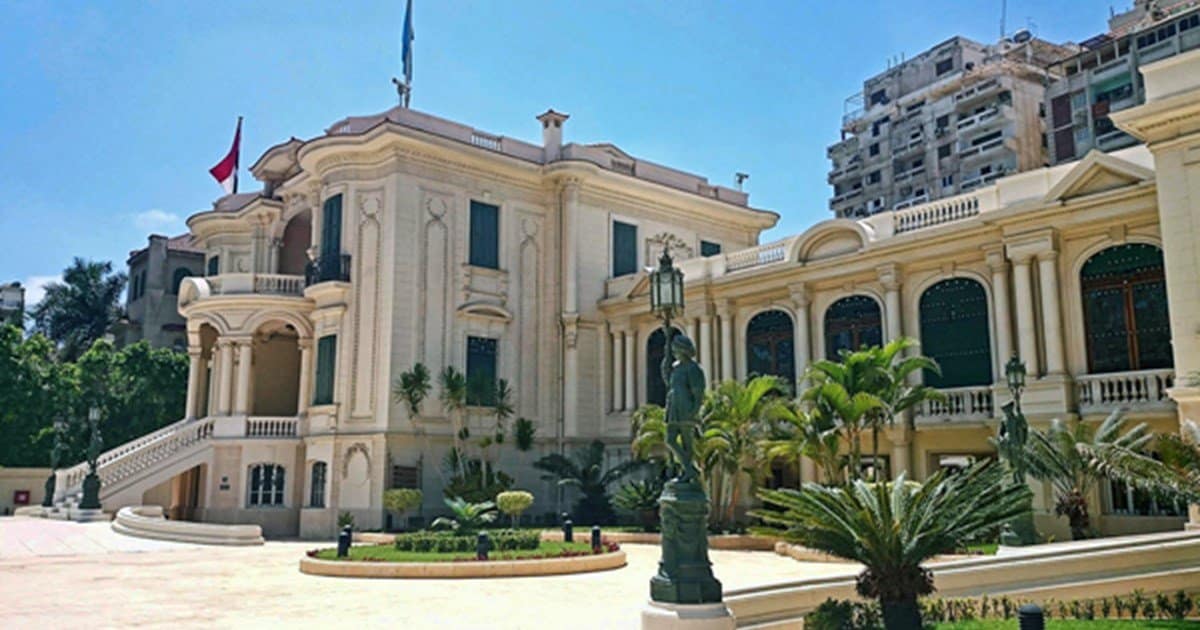
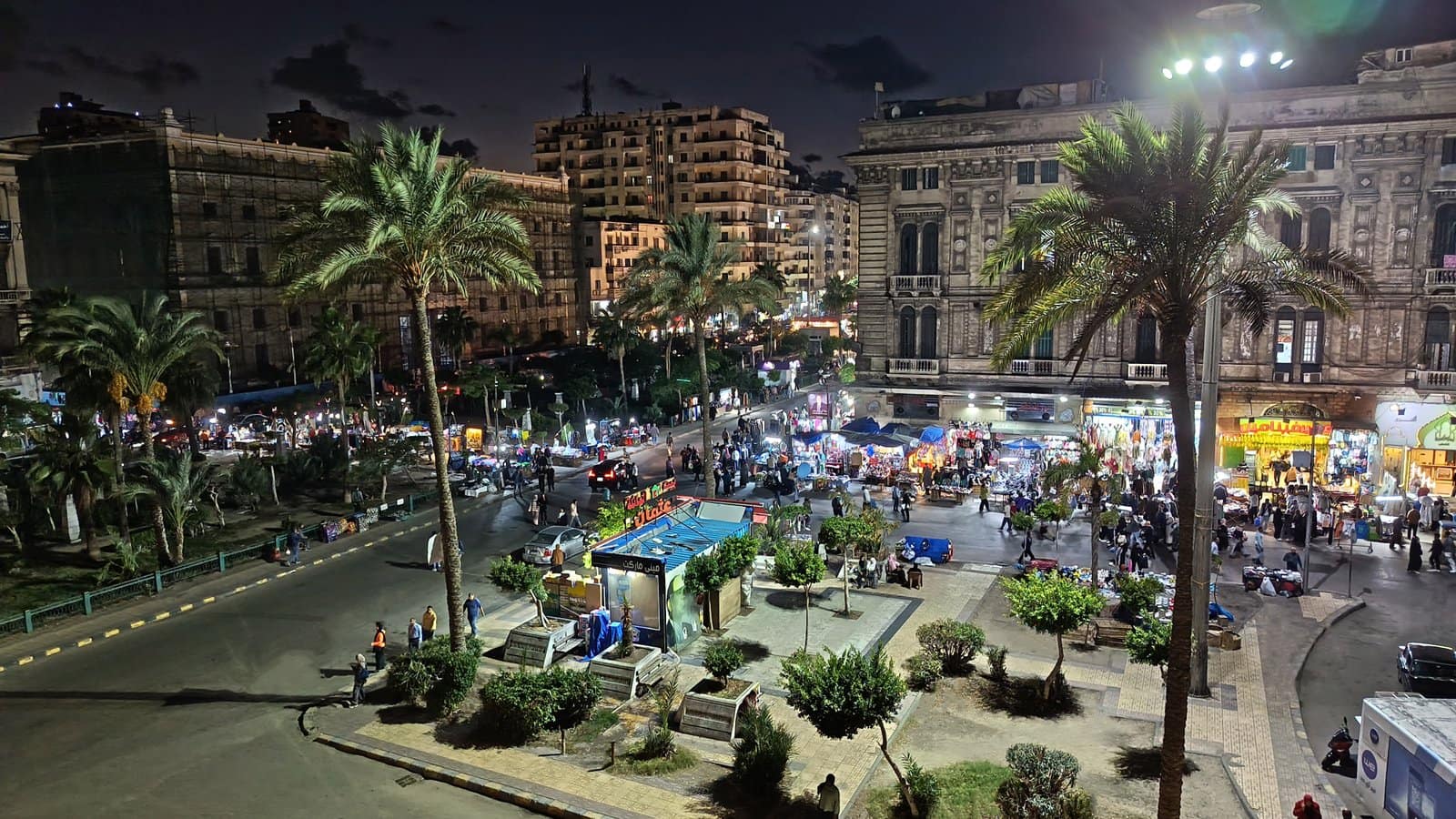
Downtown Alexandria
🏛️ Historic
Downtown (Mansheya, Saad Zaghloul)
المنشية · سعد زغلول
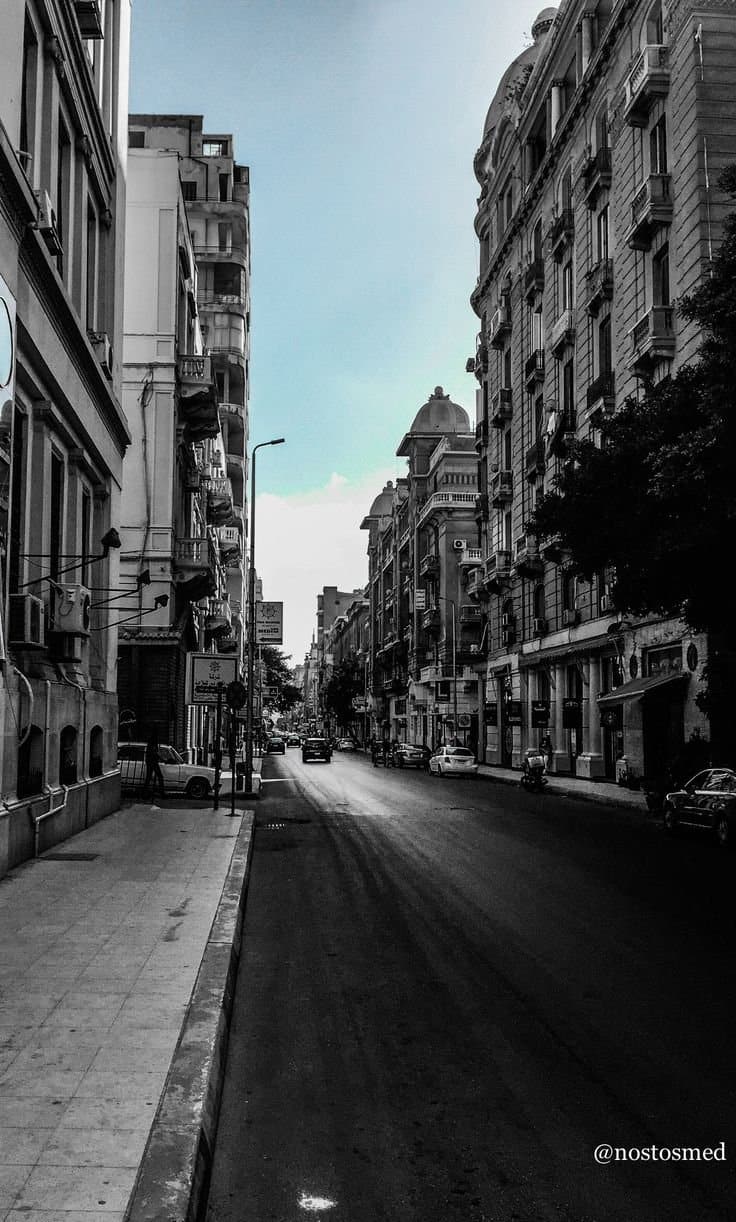
The heart of colonial Alexandria — grand European buildings, cafes that once hosted Cavafy, and the iconic Mohamed Ali Square (Mansheya). Under restoration.
Art DecoHistoric CafésCavafy
Zizinia
🌿 Upscale
Zizinia & Smouha
زيزينيا · سموحة
Upper-middle-class residential districts built in the 1930s and '40s. Tree‑lined boulevards, Art Nouveau villas, and home to several well-known private and international schools.
Upper‑classEmbassiesInternational Schools
Montaza
🏖️ Beachfront
Montaza & Miami
المنتزة · ميامي
The royal summer palace grounds — now a sprawling garden and resort complex. High‑end beach clubs, corniche promenades, and summer villas.
Royal PalaceBeachesSummer Destination
Stanley
🏖️ Coastal
Stanley & Sidi Gaber
ستانلي · سيدي جابر
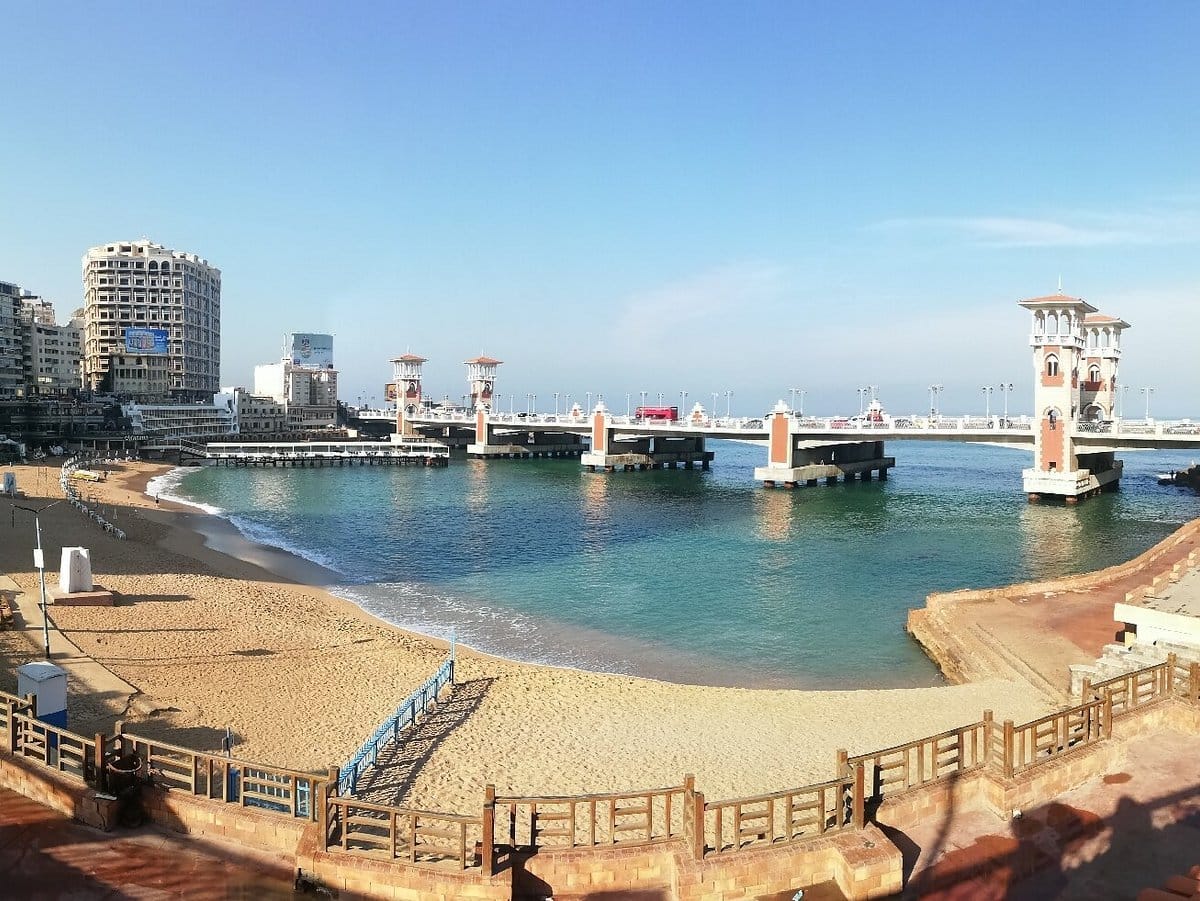
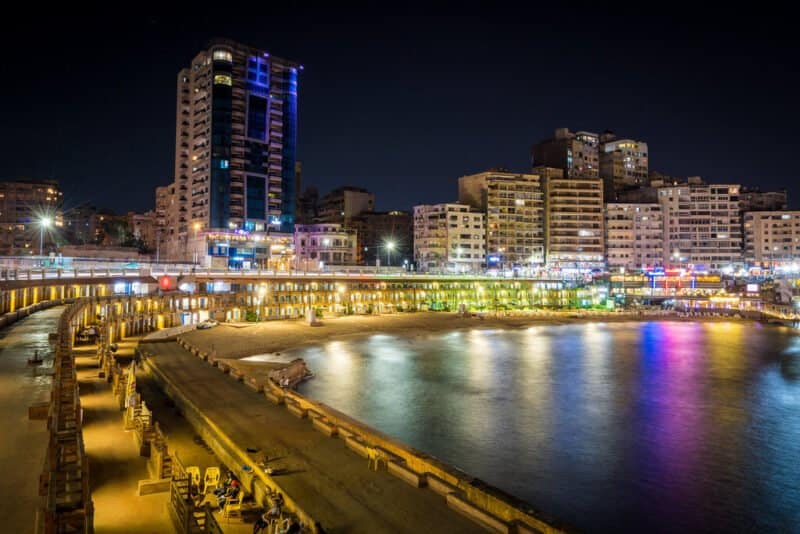
Among Alexandria’s most prominent coastal districts — the famous Stanley Bridge, beachfront apartments, seafood restaurants, and the Alexandria Sporting Club.
Stanley BridgeSeafoodWaterfront
Raml Station
🚋 Historic Centre
Raml Station (Midan Raml)
ميدان الرمل
The iconic square where the blue trams turn. Lined with colonial buildings, the Italian‑designed Tram Station, and Abou El Dahab cafe — the heart of old Alexandria.
TramsHistoric SquareCafé Culture
Agami
🏖️ Summer Resort
Agami & Hanoville
العجمي · هانوفيل
The westernmost beach district — miles of summer homes and gated communities. Where wealthy Alexandrians escape during July and August.
Summer HousesPrivate BeachesWeekend Getaway
Mansheya commercial district
🛍️ Historic Market
Mansheya Commercial District — Faransa St & Zanqet El-Settat
المنشية · زنقة الستات · شارع فرنسا
The historic commercial heart of Alexandria. Mansheya is the city's largest wholesale and retail market district, with roots stretching back to the Ottoman era. The area is dominated by two principal markets: Faransa Street, known today as Alexandria's main gold and jewelry market, and Zanqet El-Settat, a warren of narrow alleys lined with shops selling fabrics, accessories, and beauty products. Faransa Street was famously described by writer Lawrence Durrell as a "coronation street." Both markets are located in the Mansheya district and are within walking distance of each other.
Largest Commercial DistrictOttoman OriginsGold & JewelryFabrics & TextilesWholesale & Retail
El-Latino
🍽️ Food Hub
El-Latino & Gleeem
اللاتينو · جليم
A lively district popular with students and young residents — cheap eateries, shisha cafes, and the famous 'Goha' coffee shops. True local energy.
Street FoodStudent LifeShisha Cafes
Kom El-Dikka
🏛️ Archaeological
Kom El-Dikka — Roman Alexandria
كوم الدكة
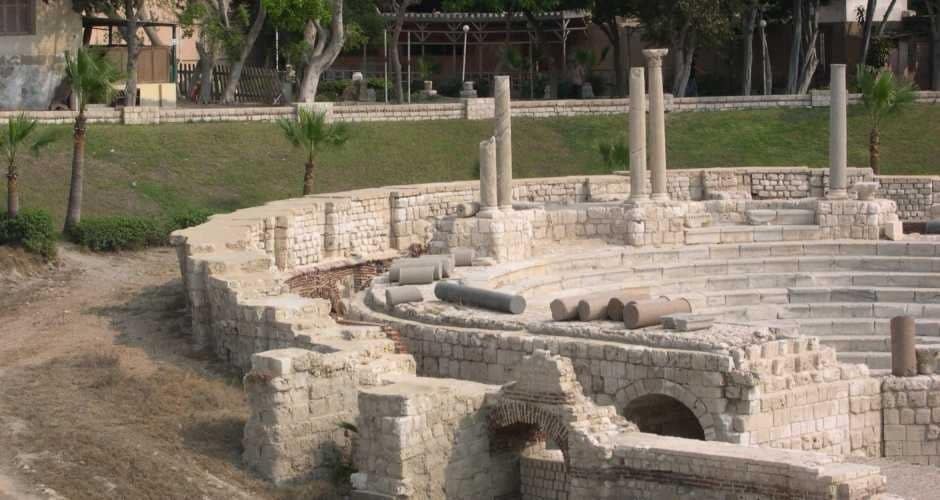
The largest excavated Roman site in the city — a theatre, public baths, and a Roman villa with mosaic floors. One of the city's most important Roman archaeological sites.
Roman AmphitheatreMosaicsExcavations
𓋴
Getting Around Alexandria

Alexandria is a linear city — everything runs along the coast. Its transport is a mix of historic trams, modern yellow taxis, and urban rail modernization projects.

🚋
Alexandria Tram — ترام الإسكندرية
One of Africa’s oldest tram systems · Origins in the 19th century
Iconic Experience
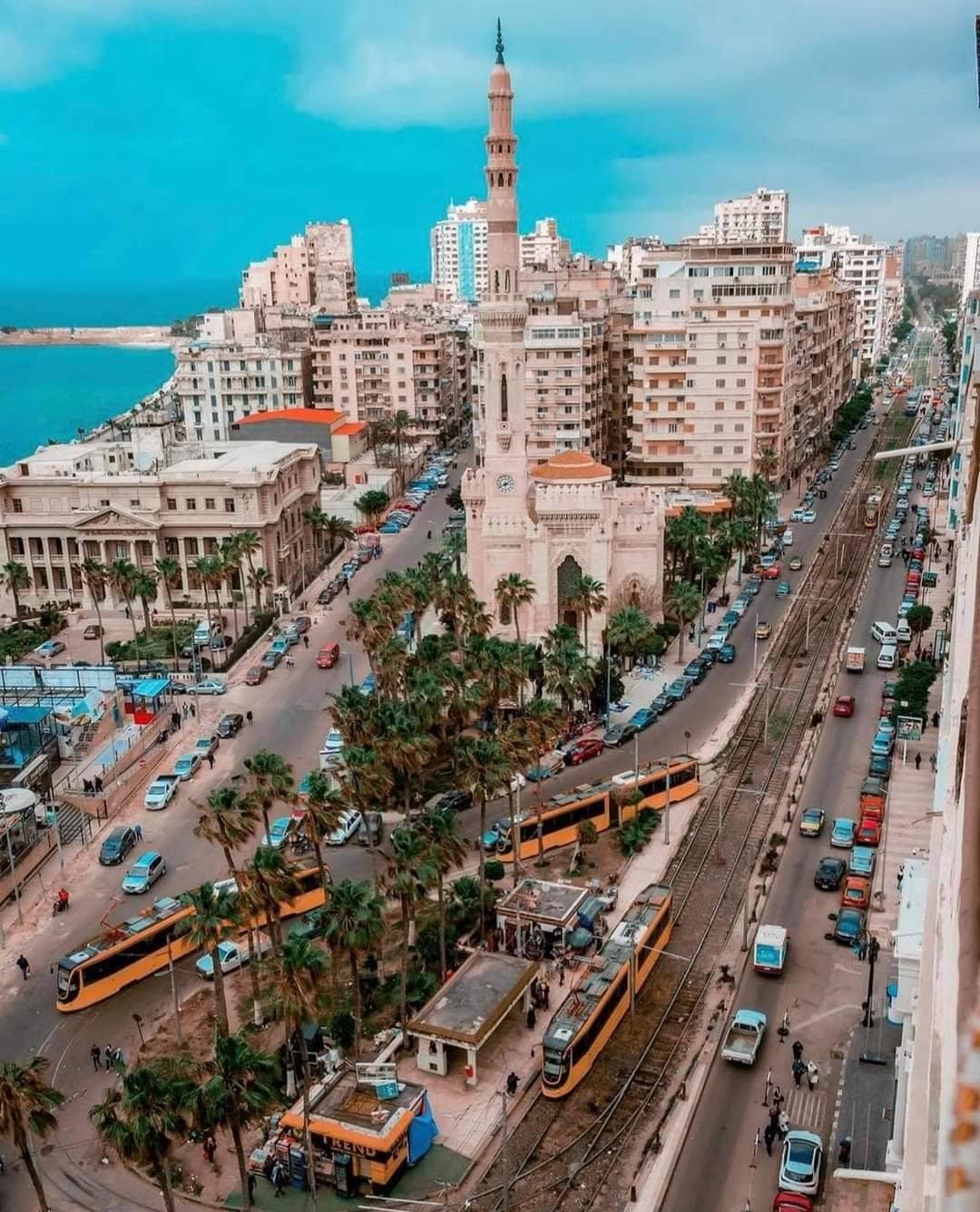
The Alexandria tram remains one of the city's most recognizable historic transport systems. Two main routes serve the city centre. Fares are symbolic (2–5 EGP). Newer air‑conditioned trams operate on some lines.

Operating hours: 5:30 AM – 11:30 PM.
1860Year Opened
Blue & YellowVehicle Types
2–5 EGPFare
🚌
Public Buses & Microbuses
Extensive network · Low cost
Cheapest Option
Alexandria's bus network reaches every corner of the governorate — from the airport to Abu Qir. CTA buses (blue/white) follow numbered routes. Fares 3–10 EGP. Air‑conditioned buses (AC) cost 7–12 EGP.

Microbuses (minibuses) are the most flexible but require some Arabic. Fares 3–8 EGP depending on distance. No fixed stops — wave them down anywhere.
3–12 EGPTypical Fare
MicrobusesEverywhere
CTAMain Operator
24hLimited Night Service
🚕
Taxis & Ride‑Hailing
Uber · Careem · Metered Taxis
Most Flexible
Alexandria is easier than Cairo for taxis — smaller city, much less traffic. Uber and Careem work perfectly. Typical fares: 30–60 EGP for most city trips, 100–150 EGP from the airport to downtown.

Standard metered taxis are available — insist on using the meter. Starting fare 5 EGP.
30–60 EGPAvg Trip (Uber)
UberMost Used App
24/7Always Available
🚇
Urban Rail Modernization
Abu Qir corridor redevelopment · Planned connectivity
Future Improvements
Urban rail modernization projects are underway, including the redevelopment of the Abu Qir rail corridor. Government plans aim to improve regional rail connectivity between central Alexandria and surrounding districts.
PlannedConnectivity
Under DevelopmentTimeline
⛴️
Harbour Boat Tours
Seasonal tourist excursions
Scenic
During summer, tourist boat tours depart from the Eastern Harbour near the Qaitbay Citadel. These provide views of the coastline, the citadel, and the modern library.
Summer OnlyTourist Boats
Eastern HarbourDeparture Point
✈️
Borg El Arab Airport (HBE)
45 km southwest of city centre · 1 terminal
International Hub
Alexandria's main airport is Borg El Arab (HBE), handling domestic flights to Cairo and international charters from the Gulf and Europe. A smaller El Nouzha Airport near the city is now closed.

Getting to the city: Uber/Careem ~250–350 EGP, 45 min. Regional rail projects aim to improve airport connectivity in the future.
45 kmFrom City
250–350 EGPTaxi to Downtown
Alexandria on the Map

Explore Alexandria's layout — a narrow coastal strip, stretching 60 km from Abu Qir in the east to Agami in the west. The corniche is the city's main artery.

📍 Greater Alexandria — Corniche runs east-west. Key landmarks: Qaitbay Citadel (west), Montaza Palace (east).
Alexandria — Tourism, Food & Shopping | Part 2 | EGYPEDIA
Tourism & Heritage

Alexandria's history spans more than 2,300 years — from its foundation by Alexander the Great to its golden age as the capital of the Ptolemaic and Roman Mediterranean. Today, its heritage is visible in Greco‑Roman ruins, Islamic monuments, early Christian sites, and modern landmarks.

Qaitbay Citadel
⭐ Pharos Site
📍 Eastern Harbour · Built 1477 AD
Qaitbay Citadel
Built on the site of the ancient Pharos Lighthouse — one of the Seven Wonders of the Ancient World. The citadel was constructed by Mamluk Sultan Qaitbay using stones from the collapsed lighthouse. Inside: a small naval museum and panoramic views across the harbour. The lighthouse is believed to have stood over 100 metres tall and survived until the 14th century.
🎟️ EGP 150 adult 🕐 8am–5pm daily ⏱ 1–2 hours
Pompey's Pillar
⭐ Roman Monument
📍 Carmous district · 1st century AD
Pompey's Pillar & Serapeum
A 27‑metre‑high granite column, one of the largest of its kind from antiquity. Erected in honour of Emperor Diocletian. The name "Pompey's Pillar" is a misnomer from the Crusaders. Nearby are the remains of the Serapeum — a Ptolemaic temple to Serapis, later a Christian church. The site also contains two carved sphinxes.
🎟️ EGP 120 adult 🕐 8am–5pm daily ⏱ 45–60 min
Catacombs of Kom El Shoqafa
⭐ Largest Roman Burial
📍 Kom El Shoqafa · 2nd century AD
Catacombs of Kom El Shoqafa
The largest Roman‑era necropolis in Egypt, discovered by accident in 1900. Three subterranean levels carved into the rock, combining Egyptian, Greek, and Roman funerary art — including Pharaonic motifs in Roman clothing. The famous "Triclinium" (banqueting hall) is unique in Egypt. Allow 45 minutes; the descent is steep.
🎟️ EGP 150 adult 🕐 9am–5pm daily ⏱ 45–60 min
Kom El-Dikka
📍 Midan Gomhuria · Roman quarter
Kom El-Dikka — Roman Amphitheatre
The largest excavated Roman site in Alexandria — a small theatre (13 tiers of white marble seating), Roman baths, a monumental street, and a well‑preserved Roman villa with mosaic floors. The only known Roman amphitheatre in Egypt. Discovered in 1960 during excavations for a public housing project.
🎟️ EGP 120 adult 🕐 9am–5pm daily ⏱ 1–1.5 hours
Greco-Roman Museum
📍 Gomhoria St · Reopened 2024
Greco‑Roman Museum
One of Egypt's finest regional museums, fully reopened after 20 years of restoration. The collection covers Alexandria from the 3rd century BC to the 6th century AD — including the Tanagra figurines, Coptic textiles, and the magnificent "Alexandrian" sculpture group of Ptolemaic and Roman emperors. Housed in a stunning neoclassical building (1892).
🎟️ EGP 280 adult 🕐 9am–5pm daily ⏱ 1.5–2 hours
El-Mursi Abul Abbas Mosque
🕌 Landmark Mosque
📍 Anfoushi · Western Harbour
El-Mursi Abul Abbas Mosque
Alexandria's most important Islamic monument — built in 1775 and extensively enlarged in 1940. The tomb of the 13th‑century Andalusian Sufi saint Ahmed Abu al‑Abbas al‑Mursi. The mosque features a distinctive octagonal minaret, Andalusian-style arches, and intricate tilework. Particularly beautiful when illuminated at night.
🎟️ Free 🕐 5am–11pm (non‑Muslims welcome outside prayer times) ⏱ 30 min
Attarine Mosque
📍 Attarine district · Downtown
Attarine Mosque
Originally a 4th‑century Christian church dedicated to St Athanasius, converted into a mosque in 1149 under the Fatimids. Rebuilt in the 18th century, it now displays a fusion of architectural styles — the minaret is Ottoman, the prayer hall is Mamluk. Named after the perfume market ("Attarin") that once surrounded it.
🎟️ Free 🕐 5am–10pm ⏱ 20 min
Terbana Mosque
📍 El-Gomrok · Near Citadel
Terbana Mosque (Ras el-Teen)
A small Ottoman mosque from 1685, notable for its original wooden ceiling painted with floral motifs. The dome is a masterpiece of early Ottoman provincial architecture. Less visited but one of Alexandria's most authentic historic mosques.
🎟️ Free 🕐 6am–8pm ⏱ 15 min
St Mark's Coptic Cathedral
✝️ Patriarchal See
📍 Malek El-Saleh · Raml Station area
St Mark's Coptic Cathedral
The historic seat of the Coptic Pope of Alexandria. The original church was built in the 1st century over the tomb of St Mark the Evangelist, founder of the Coptic Church. The current building dates from the 19th century with extensive 20th‑century expansions. The crypt contains the relics of St Mark.
🎟️ Free (check visiting hours) 🕐 9am–4pm (closed Sunday mornings) ⏱ 30 min
Eliyahu Hanavi Synagogue
🕍 Historic Synagogue
📍 Nabi Daniel St · Downtown
Eliyahu Hanavi Synagogue
The largest and most important synagogue in Egypt, originally built in 1354 and completely rebuilt in Italian neoclassical style in the 19th century. Restored in 2017 by the Egyptian government. The interior features a marble ark and a stunning stained‑glass rose window. Only occasional services are held, but the building is open to respectful visitors.
🎟️ Free (security check) 🕐 9am–2pm Sun–Thu ⏱ 30 min

Alexandria's Lost Jewish Community

Before 1948, Alexandria was home to one of the world's most vibrant Jewish communities — numbering nearly 40,000. The city's great Jewish philanthropists, writers, and businessmen shaped its modern character. Today fewer than ten Jews live in Alexandria. The Eliyahu Hanavi Synagogue remains a monument to this lost world, carefully restored and protected as part of Egypt's multi‑confessional heritage.

Bibliotheca Alexandrina
🏛️ Cultural Icon
📍 Shatby · Corniche
Bibliotheca Alexandrina
The breathtaking modern library built on the site of the ancient Library of Alexandria — completed in 2002. The building is a giant tilted disc, designed by Snøhetta Architects. Inside: a main reading hall for 2,000 readers, four museums (Antiquities, Manuscripts, Science, Calligraphy), a planetarium, and permanent exhibitions. Must‑see even if only for the architecture.
🎟️ EGP 100 adult (museums extra) 🕐 10am–7pm (closed Fri) ⏱ 3–4 hours
Montaza Palace
🏯 Royal Palace
📍 Montaza · East of city
Montaza Palace & Gardens
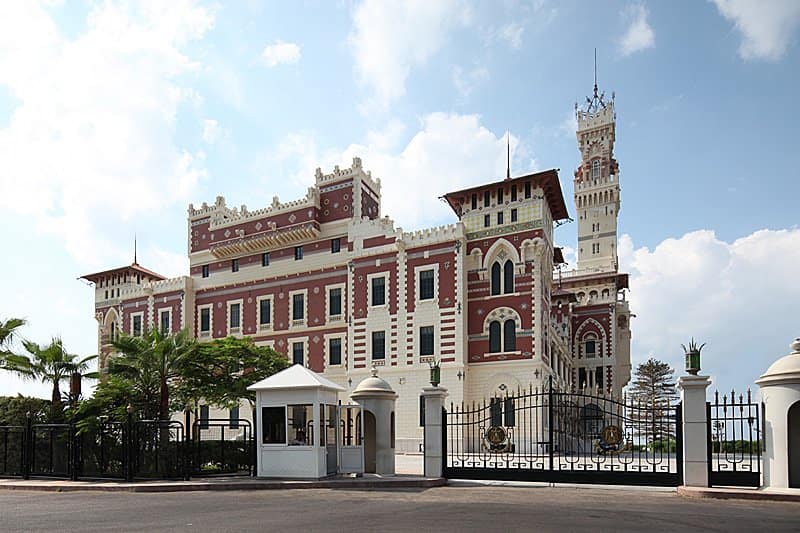
The summer residence of Egypt's last king, Farouk. Built in 1932 in a Florentine‑Renaissance style, with a distinctive bridge tower. Surrounded by 150 acres of gardens (public park) and private beaches. The palace itself is not open to the public but the gardens, tea pavilion, and coastal promenade are some of Alexandria's finest open spaces.
🎟️ EGP 60 park entry 🕐 8am–10pm daily ⏱ 2–3 hours
Stanley Bridge
🌉 Modern Icon
📍 Stanley · Eastern Corniche
Stanley Bridge
One of Alexandria's most photographed modern landmarks — a sweeping bridge with four monument towers, completed in 2001. At night, it is spectacularly lit. The area around the bridge is lined with seafood restaurants and beachfront cafes. The bridge offers excellent views of the Mediterranean and the city's eastern coast.
🎟️ Free 🕐 Accessible 24h ⏱ 30 min walk
Suggested Itineraries

Alexandria is best explored over two to three days. These itineraries group sites by theme and geography, minimising travel time.

Day One
Ancient Alexandria — Greco‑Roman Core
8:30 AMKom El-Dikka — Roman amphitheatre & baths
10:00 AMGreco‑Roman Museum — recently reopened, essential
12:30 PMLunch in Downtown — El‑Kebkeb or Trianon Cafe
2:30 PMPompey's Pillar & Serapeum — 30‑min walk from museum
4:00 PMCatacombs of Kom El‑Shoqafa — combine with neighbour sites
6:30 PMCorniche walk — sunset at Qaitbay Citadel
Day Two
Coastal & Modern Alexandria
9:00 AMBibliotheca Alexandrina — allow at least 3 hours
12:30 PMSeafood lunch at Fish Market or Balbaa (Eastern Harbour)
2:30 PMMontaza Palace Gardens — walk the tea pavilion path
5:00 PMStanley Bridge — photos and a glass of tea at a seaside café
7:30 PMDinner in Sidi Gaber or Gleem — many excellent fish grills
Day Three
Religious & Cultural Heritage
9:00 AMEl‑Mursi Abul Abbas Mosque — largest Islamic site
10:30 AMSt Mark's Coptic Cathedral — seat of the Pope
12:30 PMLunch at Mohamed Ahmed (famous ful & falafel) — Raml Station
2:30 PMEliyahu Hanavi Synagogue — restored, historic
4:00 PMAttarine district & market — walk the Ottoman-era streets
7:30 PMTraditional seafood restaurant in Anfoushi (near the citadel)
𓆭
Food & Dining in Alexandria

Alexandria's cuisine is dominated by the sea — but its street food and traditional dishes are equally memorable. The city's culinary signature is grilled fish, eaten with a view of the Mediterranean.

The Essentials — What Alexandrians Eat

  • Grilled Fish (Samak mashwi) — The king of Alexandrian cuisine. Fresh local sea bass, bream, or mullet, seasoned simply with garlic and lemon, grilled over charcoal. The fish markets of Anfoushi and the Eastern Harbour are the best places — choose your fish and have it grilled instantly.
  • Seafood Soup (Shorbat Gambari) — A rich, spiced tomato‑based soup with shrimp, squid, mussels, and sometimes other fish. Served with vermicelli rice or bread. Found in every serious fish restaurant.
  • Ful & Ta'amiya — Alexandria's breakfast scene is legendary. The city has dozens of famous ful and falafel shops — Mohamed Ahmed near Raml Station is an institution, with queues from 7 AM.
  • Alexandrian Liver (Kebda Eskandarani) — Sautéed calf's liver, garlic, chilli, and cumin, served in fresh baladi bread. A classic street sandwich, especially from the liver shops in San Stefano and Gleem.
  • Ice Cream — Abou Shanab — A 1930 Alexandrian institution. Their ashta (cream) ice cream, sprinkled with pistachio and dried coconut, is legendary. Branches near Raml Station and on the Corniche.
Alexandrian grilled fish
Fresh Mediterranean seabass, charcoal‑grilled — the definitive Alexandrian meal. The harbour fish markets grill the catch of the day while you wait.
🕐 When Alexandrians Eat
Breakfast: 7–10 AM — ful, cheeses, bread, tea
Lunch: 1:30–4 PM — main meal, seafood especially at weekends
Dinner: 9 PM–midnight — restaurants fill after 9, fish restaurants earlier
Ramadan: Iftar (sunset) on the Corniche and Suhoor (2–4 AM) transform the city. Tents along the coast serve traditional dishes.
Grilled fish platter
Grilled Fish (Samak Mashwi)
سمك مشوي
Whole sea bass, bream, or mullet — charcoal‑grilled with lemon, garlic, and olive oil. Served with tahini, salad, and fresh bread.
📍 Best: Fish Market (Eastern Harbour) or Balbaa (Anfoushi)
Seafood soup
Seafood Soup (Shorbat Gambari)
شوربة جمبري
Spicy tomato‑based soup with shrimp, squid, and mussels. A starter in every serious fish restaurant.
📍 Best: Kadoura (Stanley), Fish Market
Ful and falafel
Ful & Ta'amiya
فول وطعمية
Alexandria's breakfast staples — fava beans and green falafel, served with fresh baladi bread, olive oil, and pickles.
📍 Best: Mohamed Ahmed (Raml Station)
Alexandrian liver sandwich
Alexandrian Liver (Kebda)
كبدة إسكندراني
Sautéed calf's liver with garlic, chilli, and cumin — pressed into freshly baked bread. A street‑food classic.
📍 Best: San Stefano or Gleem liver shops
Recommended Restaurants by Neighbourhood
Fish Market
Eastern Harbour · Qaitbay area
Alexandria's most famous seafood restaurant — choose your fish from the fresh display, specify how you want it grilled, and eat on a terrace overlooking the Mediterranean. Tourist‑friendly but genuinely excellent.
SeafoodWaterfrontEGP 300–600
Balbaa
Anfoushi · near Qaitbay
A very old Alexandrian fish restaurant, known for its grilled sardines, shrimp soup, and no‑nonsense service. Less touristy than Fish Market, equally good. Popular with locals — arrive early.
SeafoodTraditionalEGP 250–500
Kadoura
Stanley · Two branches
A modern, slightly upscale seafood restaurant on the eastern Corniche. Wide variety of fresh fish, calamari, and shellfish. The Stanley branch has the best views of the bridge.
SeafoodViewsEGP 400–700
Mohamed Ahmed
Raml Station · Sidi Metwally
An Alexandrian icon — open from 5 AM, famous for its ful, falafel, and multiple types of cheese (their Iskandarani cheese is unique). No menu, no plates — you eat from communal trays. A life‑changing breakfast.
BreakfastIconicEGP 20–60
Pastroulin
Downtown · Fouad Street
Alexandria's most famous historic café — opened in 1912, a meeting place of writers, artists, and revolutionaries. Marble tabletops, faded grandeur, and excellent coffee. Also serves light meals and pastries.
CaféHistoricEGP 30–100
Abou Shanab
Multiple · Raml Station branch famous
The place for ice cream in Alexandria since 1930. Their signature ashta (cream) ice cream with pistachio and coconut is legendary. A stop every Alexandrian considers mandatory.
DessertIce CreamEGP 30–80
𓋴
Shopping in Alexandria

Alexandria offers a mix of traditional souks, historic shopping arcades, and modern malls — from the Antique Bazaar to gold markets and contemporary boutiques.

What to Buy in Alexandria

  • Gold & Jewellery — Alexandria's gold market is concentrated in the Mansheya district, especially Faransa Street. Gold is sold by weight at the daily international price, plus a small fabrication fee.
  • Spices & Perfumes — Attarin district (originally the "perfume market"). Narrow lanes filled with spice shops, perfume oils, and traditional incense. The Street of Spices is an experience as much as a shopping trip.
  • Cotton & Linen — Egyptian cotton towels, bed linen, and clothing from shops in Smouha or Heliopolis extensions. El‑Chorbagy is a reliable local chain.
  • Books about Alexandria — The area around the Bibliotheca Alexandrina has several bookshops specialising in translations of Cavafy, Durrell, and scholarly works on the city. The Library's own gift shop is excellent.
  • Antiques & Collectables — The Attarine and Mansheya areas have a few remaining antique shops selling coins, postcards, pieces of old furniture, and early 20th‑century objects. Bargain firmly.

Market Etiquette

In Alexandria's traditional markets (Attarin, Mansheya, El‑Ammoudia if still active), prices are negotiable. The first price quoted can be 2–3 times the expected final price. This is part of local custom, not dishonesty. Politely counter‑offer at about 40–50% of the initial price, and be prepared to walk away calmly — often the seller will call you back with a lower price. In fixed‑price shops, malls, and inside the Bibliotheca's gift shop, no bargaining is expected.

Practical Tip

Keep small‑denomination Egyptian currency for market purchases. Vendors often claim they have no change for large notes — this is a negotiating tactic. Pay with exact change whenever possible, especially for street food and small souvenirs.

Attarine Market
Traditional Souk
Attarine Market & Souk El‑Khedeiwy
📍 Downtown · Near Attarine Mosque
Alexandria's historic perfume and spice market — dating from the 17th century. Narrow lanes, heavy with the scent of frankincense and amber. Saffron, dried herbs, perfumes, and fragrant oils. An immersive, atmospheric shopping experience.
Faransa Street gold market
Gold Market
Faransa Street (Gold Market)
📍 Mansheya district · Downtown
Alexandria's principal jewellery market — dozens of small shops selling gold, silver, and precious stones. Prices are set by daily international benchmarks plus a small commission. A good place for wedding gifts or investment purchases.
Green Plaza Mall
Modern Mall
Green Plaza
📍 Smouha · Western district
Alexandria's largest and most modern air‑conditioned mall. International and Egyptian brands, a large hypermarket, cinema complex, and dozens of cafés and restaurants. Open until 11 PM. A comfortable option for rainy days or summer afternoons.
Bibliotheca gift shop
Gift Shop
Bibliotheca Alexandrina Shop
📍 Inside the Library · Shatby
High‑quality gifts and souvenirs: academic books, reproductions of ancient manuscripts, jewellery modelled after Ptolemaic coins, and elegant modern design objects. Not cheap, but reliable and tasteful.
Alexandria — Living Here: Expat Guide | Part 3 | EGYPEDIA

⚠️ Important Disclaimer

Last updated: May 2026. Information on this page — including emergency numbers, consulate addresses, hospital contact details, school fees, visa rules, and rents — may change frequently. Always verify addresses, phone numbers, visa regulations, and official procedures directly with the relevant institution (embassy, hospital, school, or government authority). EGYPEDIA provides this information as a starting point but assumes no legal responsibility for outdated or incorrect data. This content is informational only and does not constitute legal, medical, immigration, or financial advice.

Emergency Numbers

Keep these numbers saved. In Egypt, the primary emergency numbers are 122 (Police), 123 (Ambulance), and 180 (Fire). The number 112 may work on some mobile networks as an alternative, but Egypt primarily relies on the three numbers below.

🚨 Critical Emergency Numbers — Egypt (including Alexandria)
123
Ambulance
122
Police
180
Fire Department
126
Tourist Police
128
Traffic Police
121
Electricity Faults
125
Water & Sewage
129
Natural Gas (faults)
16000
Child Helpline
𓀭
Consulates & Diplomatic Missions in Alexandria

Several countries maintain honorary consulates in Alexandria, but services are often limited and contact information changes frequently. For visa, passport, or emergency services, the best and most reliable point of contact is your country’s embassy in Cairo.

Important Note

Honorary consulates typically cannot issue visas or process passports. They may offer notarial services or local assistance, but always confirm by phone or email before visiting. Most countries have moved their full consular services to Cairo. Several countries maintain honorary representation or business liaison offices in Alexandria, but their status changes often. We strongly recommend starting with your embassy in Cairo.

🇺🇸
United States — Embassy Cairo
5 Tawfik Diab Street, Garden City, Cairo
Tel: +20 2 2797-3300 (emergencies)
Website: eg.usembassy.gov
🇬🇧
United Kingdom — Embassy Cairo
7 Ahmed Ragheb Street, Garden City, Cairo
Tel: +20 2 2791-6000
Website: gov.uk/world/egypt
🇩🇪
Germany — Embassy Cairo
2 Berlin Street, Zamalek, Cairo
Tel: +20 2 2728-2000
Website: kairo.diplo.de
🇫🇷
France — Embassy Cairo
29 Charles de Gaulle Street, Giza
Tel: +20 2 3567-3200
Website: eg.ambafrance.org
🇮🇹
Italy — Embassy Cairo
15 Abdel Rahman Fahmy Street, Garden City
Tel: +20 2 2794-3194
Website: ambcairo.esteri.it
🇨🇦
Canada — Embassy Cairo
26 Kamal el-Shenawi Street, Garden City
Tel: +20 2 2791-8700
Website: canada.ca/egypt
🇦🇺
Australia — Embassy Cairo
World Trade Centre, Corniche el-Nil, Boulak
Tel: +20 2 2770-6600
Website: egypt.embassy.gov.au
🇨🇳
China — Embassy Cairo
14 Bahgat Ali Street, Zamalek
Tel: +20 2 2736-8219
Website: eg.china-embassy.gov.cn
🇮🇳
India — Embassy Cairo
5 Aziz Abaza Street, Zamalek
Tel: +20 2 2736-3051
Website: indianembassycairo.in
🇯🇵
Japan — Embassy Cairo
81 Corniche el-Nil, Maadi
Tel: +20 2 2528-5910
Website: eg.emb-japan.go.jp
🇸🇦
Saudi Arabia — Embassy Cairo
2 Ahmad Nessim Street, Giza
Tel: +20 2 3748-0660
Website: mofa.gov.sa
🇦🇪
UAE — Embassy Cairo
4 Wahran Street, Dokki
Tel: +20 2 3335-0200
Website: uae-embassy.ae
🇬🇷
Greece — Embassy Cairo
18 Aisha El-Taymouriya Street, Garden City
Tel: +20 2 2795-3345
Website: mfa.gr/egypt

Honorary consulates in Alexandria

Several countries maintain honorary representation or business liaison offices in Alexandria. However, their contact details (addresses, phone numbers) change often, and many are not open to the public for visa or passport services. If you need consular assistance in Alexandria, call your embassy in Cairo first — they will advise whether the honorary consul in Alexandria can help and provide current contact information.

Note: We do not publish specific addresses or phone numbers for honorary consulates here because they are frequently outdated. Always contact your primary embassy.

𓏁
Healthcare in Alexandria

Alexandria has a two‑tier healthcare system. Public hospitals (Alexandria University hospitals) are very affordable but often overcrowded. Private hospitals offer higher comfort and English‑speaking staff at a higher cost.

Choosing a Hospital

For serious emergencies, go to the nearest private hospital (Andalusia Smouha or Thaghr) or call 123 for an ambulance. Expats generally prefer private facilities and carry international health insurance. The public university hospitals provide essential care at low cost, but expect long wait times.

Health Insurance

Carry comprehensive travel or expat health insurance. Private hospitals often require a deposit or guarantee of payment before treatment. International providers (Cigna, AXA, Allianz) are accepted at Andalusia and Al‑Mowassah.

Pharmacies

24‑hour pharmacies (El‑Ezzaby, Seif, International Pharmacy) are available on El‑Horeya Road and the Corniche. Pharmacists may dispense certain prescription‑only medications for minor ailments without a doctor’s note.

Specialty Hospitals

  • Cardiology: Al‑Mowassah, Andalusia Smouha
  • Oncology: Medical Oncology Centre (Alexandria University)
  • Maternity: Andalusia, Al‑Shatby University Hospital
  • Eye: Research Institute of Ophthalmology (main institute located in Cairo)
Private · International standard
Andalusia Health – Smouha & Gleem
📍 Smouha (main hospital) / Gleem (smaller medical branch)
Andalusia Health operates a major hospital in Smouha and smaller specialized medical branches in other districts including Gleem. Modern facilities, 24h emergency, ICU, maternity, surgery. Accepts most international insurance.
Emergency: 19033
Hours: 24/7
Private · Central
Thaghr Hospital
📍 Central Alexandria / El-Thaghr area
A long‑established private hospital in central Alexandria, with 24h emergency and outpatient clinics.
Tel: 03-4842437
Hours: 24/7
Public · University
Al‑Mowassah University Hospital
📍 El‑Horeya Road, Moharram Bey
Public teaching hospital associated with Alexandria University. Offers specialized care but may be crowded.
Tel: 03-4858644
Emergency: 03-4858645 (may be busy)
Public · Teaching
Alexandria University Main Hospital
📍 Azarita / Central Alexandria
The largest public hospital in Alexandria. Suitable for emergency and specialized public healthcare services, but expect long waiting times.
Tel: 03-4868224
Hours: 24h emergency
𓆈
International Schools in Alexandria

Alexandria has several well‑known international schools. Contact information and fees change frequently. Below are established schools — you should verify all details directly through their official websites or by phone.

🇩🇪
Deutsche Schule Alexandria (DSA)
German Curriculum · Smouha
German‑language school from Kindergarten to Abitur. Fully accredited by German authorities.
Search online: "Deutsche Schule Alexandria" for current contact.
🇫🇷
Lycée Français d’Alexandrie (Ecole Champollion)
French Curriculum · Azarita
French government‑managed school, French Baccalaureate. Trilingual.
Search online: "Lycée Français d’Alexandrie" for official website.
🇺🇸
Schutz American School
American Curriculum · Smouha
Long‑established American school, accredited by MSA. Offers US diploma and IB programme.
Search online: "Schutz American School Alexandria" for current contact.
🇬🇧
Modern English School (MSE)
British / IB Curriculum · Mandara
Well‑known private school offering IGCSE and IB programmes. English‑medium.
Search online: "Modern English School Alexandria" for official website.
🌐
International School of Alexandria (ISA)
IB Curriculum
Offers IB Primary Years, Middle Years, and Diploma Programme. Verify current location.
Search online: "International School of Alexandria" for current contact.
🇺🇸
Modern American School Alexandria
American Curriculum
American‑accredited school, US diploma and AP courses.
Search online: "Modern American School Alexandria" for current contact.

A note on school data

Schools change phone numbers, websites, and fees often. EGYPEDIA does not publish specific phone numbers or tuition figures here because they quickly become outdated. We recommend using a search engine with the school’s name + “Alexandria” to find their official website, then call or email for the most up‑to‑date information. The expat Facebook group “Expats in Alexandria” is also a good source of current parent reviews.

𓂉
Living in Alexandria — Practical Guide

Alexandria is more affordable and relaxed than Cairo. Its Mediterranean climate and slower pace attract many expats who work remotely or commute to Cairo weekly. Neighbourhood rents below are estimates for unfurnished apartments in good condition (May 2026).

Banking & Money
1
Opening a Bank Account
Major banks: CIB, QNB, HSBC (branches on El‑Horeya Road and in Smouha). Required: passport, residence visa, proof of address, employer letter (if employed).
2
Currency & Exchange
Egyptian Pound (EGP) – floating rate. Best rates at banks (CIB, Banque du Caire) and licensed exchange bureaus. Avoid airport/hotel exchange. ATMs have daily limits.
3
Mobile Payments
InstaPay (linked to bank accounts) and Vodafone Cash / Orange Money are widely used for transfers and small purchases.
Visa & Residency
1
Tourist Visa (30 days)
Available for many nationalities, subject to current Egyptian immigration regulations. Fee $25 USD (may change). Online via visa2egypt.gov.eg. Visa extension policies vary.
2
Residency (Iqama)
Types: work residency (employer‑sponsored), investor (through GAFI), property owner (minimum investment threshold subject to change — consult an immigration lawyer).
3
Immigration Office Alexandria
The main Passport & Immigration building is in the Smouha area (ask locally for exact entrance). Hours: Sun‑Thu 8am–2pm. Bring photocopies of all documents.
📱
SIM Cards & Mobile
Buy SIM at airport or any Vodafone, Orange, Etisalat shop with passport. eSIM available on Vodafone and e&. 4G widely available; 5G rollout remains limited.
🏠
Renting an Apartment
Use Aqarmap, Property Finder, or OLX. Broker fee: one month’s rent. Leases 1 year, payment 3–6 months in advance. Furnished apartments common.
🚗
Driving in Alexandria
International licence valid 3 months; then convert at Traffic Directorate (Mahmoudeya). Peak traffic: 7–9am, 2–5pm. Waze works well.
🌐
Internet & Connectivity
Fibre and VDSL internet are available in many districts, though speeds and reliability vary by area. Some online services may perform better with alternative routing or international DNS configurations.
Utilities
220V, 50Hz (European plugs). Power interruptions may occasionally occur during peak summer demand periods. Bottled water recommended for drinking.
👥
Expat Communities
Facebook groups: “Expats in Alexandria”, “Alexandria Expat Women”, “Internations Alexandria”. Regular events – hash runs, book clubs, cooking classes.
Neighbourhoods Table - Alexandria Expat Guide
NeighbourhoodExpat RatingRent (2‑bed apt, EGP/month)International SchoolsTransportBest For
Smouha★★★★★18,000 – 40,000 DSA, Schutz, MALS nearby Tram, busesCentral, shopping, families
Stanley / Sidi Gaber★★★★☆25,000 – 60,000 Limited Corniche, taxisSea views, professionals
Montaza & Maamoura★★★★☆20,000 – 50,000 ISA, British-curriculum schools Buses, carBeachfront, quiet
Zizinia / Roushdy★★★☆☆15,000 – 30,000 Nearby Tram, taxiMid‑budget, residential
Downtown / Mansheya★★★☆☆8,000 – 20,000 Few Excellent (tram, bus)Budget, short‑term

Rent estimates are for unfurnished apartments in good condition. Furnished or short‑term rentals may be 30‑50% higher.

Alexandria — Economy, Climate & Complete Index | Part 4 | EGYPEDIA

⚠️ Important Disclaimer

Last updated: May 2026. Economic figures, climate data, transport options, and other information on this page are estimates and subject to change. Always verify current conditions, prices, and regulations before making decisions based on this content. EGYPEDIA provides this information as a guide only and assumes no legal responsibility for errors or outdated data.

Alexandria's Economy

Alexandria is Egypt's primary maritime gateway, handling approximately 80% of the country's foreign trade through its ports. It is also a major industrial, tourism, and logistics hub — the second‑largest economic centre in Egypt after Cairo.

~80%
Share of Egypt's maritime trade
Alexandria Port handles roughly 80% of Egypt's commercial import/export volume — making it the country's most important port.
$15B+
Port of Alexandria annual cargo value (est.)
Combined value of goods passing through Alexandria and Dekheila ports annually (estimate; exact figures fluctuate).
~60%
Petroleum refining
Alexandria is home to three of Egypt's largest oil refineries (El‑Max, Amreya, and Middle East Oil Refinery).
30%+
Industrial concentration
Greater Alexandria accounts for over 30% of Egypt's industrial production, especially in chemicals, textiles, food processing, and cement.
3 major ports
Alexandria Port, Dekheila, West Port
The three ports form the largest port complex on the Mediterranean coast of Africa.
>$1B
Annual tourism revenue (approximate)
Tourism, including domestic visitors from Cairo and international tourists, contributes significantly to Alexandria's economy, especially during summer months.

Key Economic Sectors

Alexandria's economy is driven by logistics, manufacturing, tourism, and services. The city’s industrial zones include Amreya, El‑Max, and Borg El‑Arab. The new El‑Dekheila industrial zone is expanding rapidly.

Ports & Logistics est. 22%
Alexandria Port alone handles over 20 million tonnes of cargo annually, making it one of the busiest ports on the Mediterranean.
Manufacturing & Industry est. 28%
Refining, chemicals, textiles, cement, and food processing. Major industrial zones: Amreya, El‑Max, Borg El‑Arab.
Tourism & Hospitality
Peak season (June–September) sees massive influx of domestic tourists from Cairo and the Gulf. International heritage tourism is also significant (Greco‑Roman sites, Bibliotheca).
Information Technology & BPO
Alexandria is emerging as an outsourcing and tech hub with several IT parks and a growing startup scene, particularly in Smouha and Montaza.
Construction & Real Estate
Major coastal residential complexes (Montaza, Al‑Alamein extension) and infrastructure projects are driving construction growth.
Fishing & Food Processing
Traditional fishing fleets remain important, although declining; fish farming is growing. Food processing is also expanding (canning, frozen seafood, dairy).

Business & Investment Zones

  • Alexandria Port (Port of Alexandria) — Egypt’s largest seaport, handling bulk and general cargo.
  • Dekheila Port / El‑Dekheila Industrial Zone — adjacent to the massive El‑Dekheila steel complex; also handles container and cargo traffic.
  • Borg El‑Arab Industrial City — designated industrial city with tax incentives for manufacturing, located near Borg El‑Arab Airport.
  • Amreya Industrial Zone — home to petrochemical refineries and the Amreya Oil Refinery (one of the oldest in Egypt).
  • Alexandria Information Technology Park (Smart Village Alexandria satellite) — part of Egypt’s tech development plan, located near Smouha.

Doing Business in Alexandria

Enterprises seeking to invest in Alexandria should consult the General Authority for Investment (GAFI) for free zone benefits and tax holidays. The National Bank of Egypt and other major banks have regional headquarters in Alexandria. Egypt’s Golden License (2022) applies to largescale strategic projects nationwide, including Alexandria.

𓂀
Alexandria's Climate — Month by Month

Alexandria has a hot‑summer Mediterranean climate (Köppen: Csa) — characterised by mild, wet winters and hot, dry summers. The sea moderates temperatures, so summers are less extreme than Cairo.

Daily High (°C) Daily Low (°C) Rainfall
🌸
Spring
March · April · May
Pleasant temperatures (18–28°C). Some days of Khamsin (hot dusty winds from the desert) can reach 35°C. The city’s gardens and parks are at their best. Ideal for sightseeing before the summer crowds.
☀️
Summer
June · July · August · September
Warm and humid: highs 28–32°C, lows 20–24°C. The sea breeze keeps temperatures moderate compared to Cairo. This is peak tourist season (domestic and Gulf visitors). Hotels are fullest and most expensive.
🍂
Autumn
October · November
Warm days (24–28°C), cooler evenings. Very pleasant. Crowds thin out after September. The sea remains warm enough for swimming. Excellent time for walking the Corniche.
🌧️
Winter
December · January · February
Mild but rainy: highs 17–20°C, lows 9–12°C. Rain is common (Alexandria receives almost all its 200mm annual rainfall in winter). Some days can be windy and cool. Fewer tourists, lower hotel rates.

Best Time to Visit Alexandria

Optimal: March–May and October–November — comfortable temperatures, fewer crowds.
Beach season: June–September — hot, humid, very crowded, but perfect if you want to swim in the Mediterranean.
Avoid if you dislike rain: December–February (rainy and grey by Egyptian standards).
Lowest prices: January–February (except local events).

𓎟
Day Trips from Alexandria

Alexandria’s western location makes it an ideal starting point for exploring the North Coast, the Delta, and even the Western Desert oases. Below are suggested excursions (distances approximate).

El‑Alamein war memorial
110 km · 1.5h
El‑Alamein
⚔️ WWII Battlefields & War Museums
The site of the pivotal 1942 battle that turned the tide in North Africa during WWII. Visit the Commonwealth War Cemetery, the German and Italian memorials, and the Alamein Military Museum. Also home to new Mediterranean resort developments.
⏱ Full day🚗 Car or minibus💰 EGP 50–150 museum entry
Rosetta Ottoman house
65 km · 1h
Rosetta (Rashid)
🏺 Ottoman Heritage & the Rosetta Stone
The city where the Rosetta Stone was discovered (1799) by French soldiers. Explore Ottoman-era houses (Bayt el‑Kritliya, Bayt Moussa), a traditional courtyard and a small museum. Quiet, non‑touristy, and very authentic.
⏱ Half day🚗 Car or microbus💰 Free – EGP 50
Wadi El‑Natrun monastery
100 km · 1h
Wadi El‑Natrun (from Alexandria)
✝️ The Monastic Desert – Coptic Monasteries
The same monastic complex accessible from Cairo, but even closer from Alexandria (1 hour by car). Deir Anba Bishoi, Deir El‑Suriani, Deir Baramous. Active monasteries with ancient fortifications and peaceful gardens.
⏱ Half day🚗 Car via desert road💰 Free (modest dress)
Borg El‑Arab industrial zone
45 km · 40 min
Borg El‑Arab New City & International Airport
🏗️ Industrial Zone & Airport
A planned new city and industrial zone, also home to Alexandria’s main international airport (HBE). Few tourist sites but interesting for those following modern urban development and industrial expansion. The large Wadi El‑Natrun road passes by.
⏱ Half day🚗 Car or taxi💰 Free
Lake Mariout fishing boats
10–25 km · 30 min
Lake Mariout & El‑Mahmoudeya Canal
🚣 Wetlands & Fishing Communities
Lake Mariout is the brackish lake south of Alexandria; historically part of the ancient Lake Mareotis. Visit fishing villages (e.g., El‑Max), see traditional boatyards, and observe birdlife. Not heavily touristed — very authentic.
⏱ Half day🚗 Car or taxi💰 Free
Agami beach resort
20 km · 30 min
El‑Agamy & Hanoville (Western Coast)
🏖️ Summer Beach Resorts
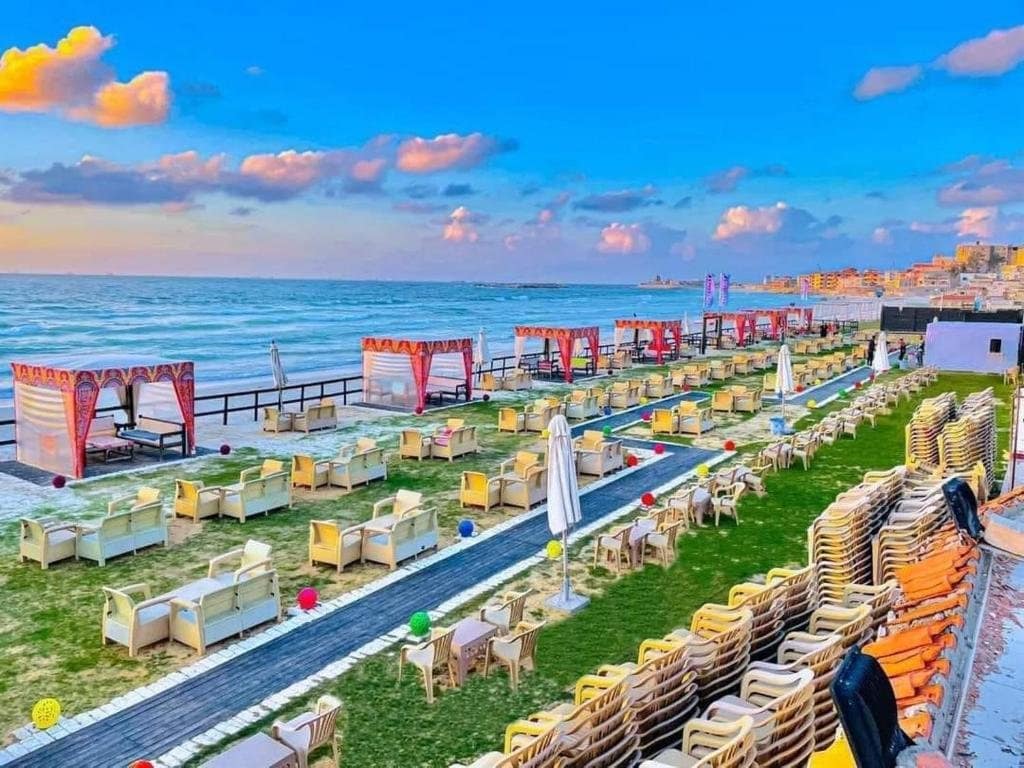
A string of beach clubs and summer villas west of Alexandria’s centre. Very popular with locals from July to September. Quiet during off‑season. Good for a relaxing seaside lunch and a walk by the waves.
⏱ Half day🚗 Car or microbus💰 Beach entry EGP 50–200
𓋴
Test Your Alexandria Knowledge

10 questions about Alexandria’s history, landmarks, culture, and daily life — from casual visitor to expert level.

Question 1 of 10
Score: 0
Difficulty: Beginner
𓏏
Complete Alexandria Guide — Full Index

Everything in the Egypedia Alexandria Guide — all four parts, every major section, with direct links (links will be active when published).

4

Economy, Climate, Day Trips & Quiz

Economic overview, weather guide, excursions, and knowledge test

Copyright 2024 © EGYPEDIA — All rights reserved