Al-Iskandariyya — الإسكندرية Alexandria
Where the ancient Mediterranean world met the sea — the city of the Pharos Lighthouse, the ancient Library of Alexandria, and Cleopatra VII. Today, Alexandria is known for its cosmopolitan heritage, Mediterranean character, and historic waterfront.


Alexandria has a distinct Mediterranean character compared with many other Egyptian cities. Founded by Alexander the Great in 331 BC, it became one of the most important cities of the Hellenistic world, home to the legendary Library and the Pharos Lighthouse, one of the Seven Wonders of the Ancient World.
Alexandria ad Aegyptum — The Bride of the Mediterranean
When Alexander arrived in 331 BC, he chose the site of a small fishing village called Rhakotis. His architect laid out a grid of streets and connected the mainland to the island of Pharos with a long dike — the Heptastadion. Within a century, Alexandria had become one of the wealthiest and most influential cities in the Mediterranean world.
The Library of Alexandria became one of the ancient world’s greatest centers of scholarship and research. Scholars associated with Alexandria included Euclid, Eratosthenes, and possibly Archimedes. The Lighthouse of Pharos, one of the Seven Wonders of the Ancient World, is believed to have stood over 100 metres tall.
Cleopatra VII, the last active pharaoh, made Alexandria her capital. After her defeat, the city became the most important port of the Roman Empire. Alexandria became an important early center of Christian theology and learning. The city declined after the Arab conquest but revived in the 19th century as Muhammad Ali's gateway to Europe.
The Two Alexandrias
Modern Alexandria is built directly on top of the ancient city. The Greek and Roman ruins lie beneath the streets — occasionally discovered during construction. The city's trams, French-style architecture, and cosmopolitan cafes give it a character unique in Egypt. Elements of Greek, Italian, and Levantine cultural influence can still be seen in Alexandria’s architecture, cuisine, and family histories.
A Pivotal Timeline
From the faded elegance of the old Greek quarter to the modern beach resorts of Montaza — each neighbourhood tells a different chapter of Alexandria's long story.
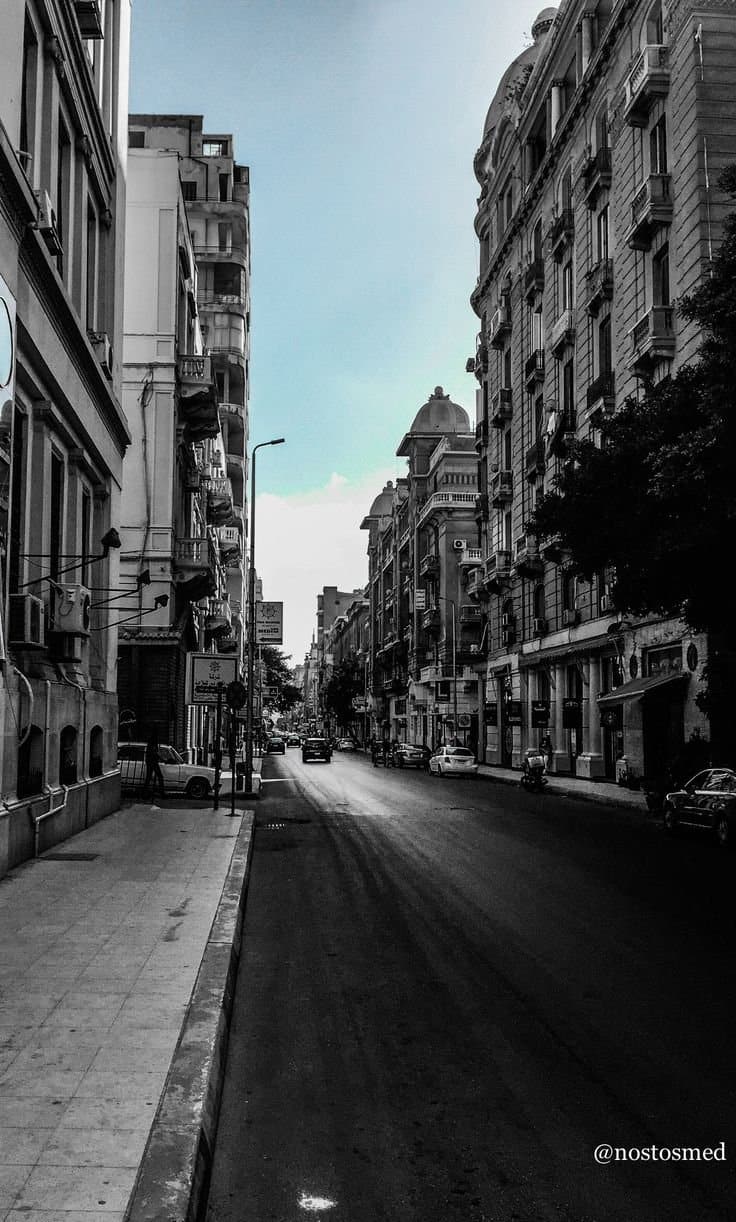
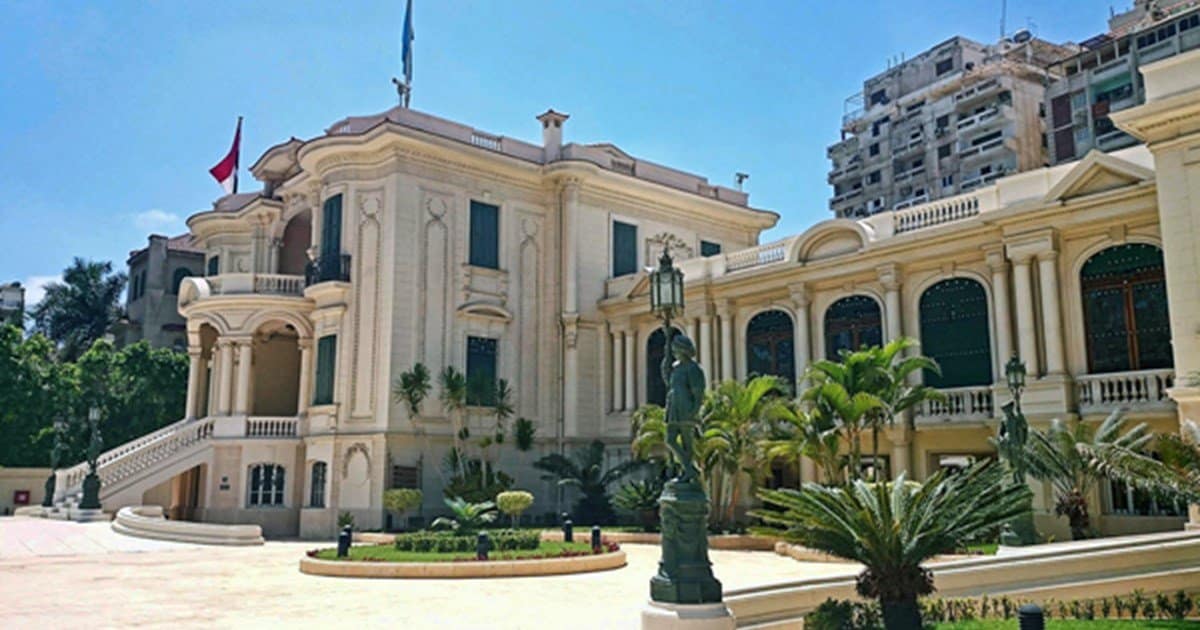
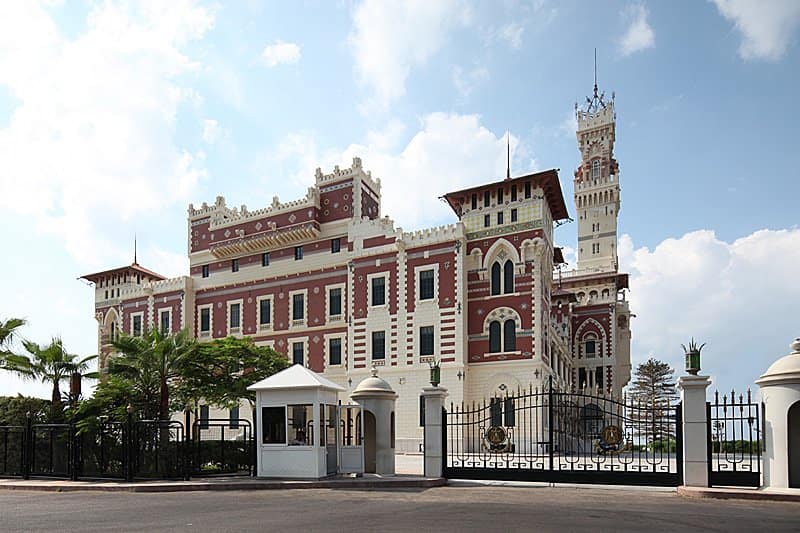
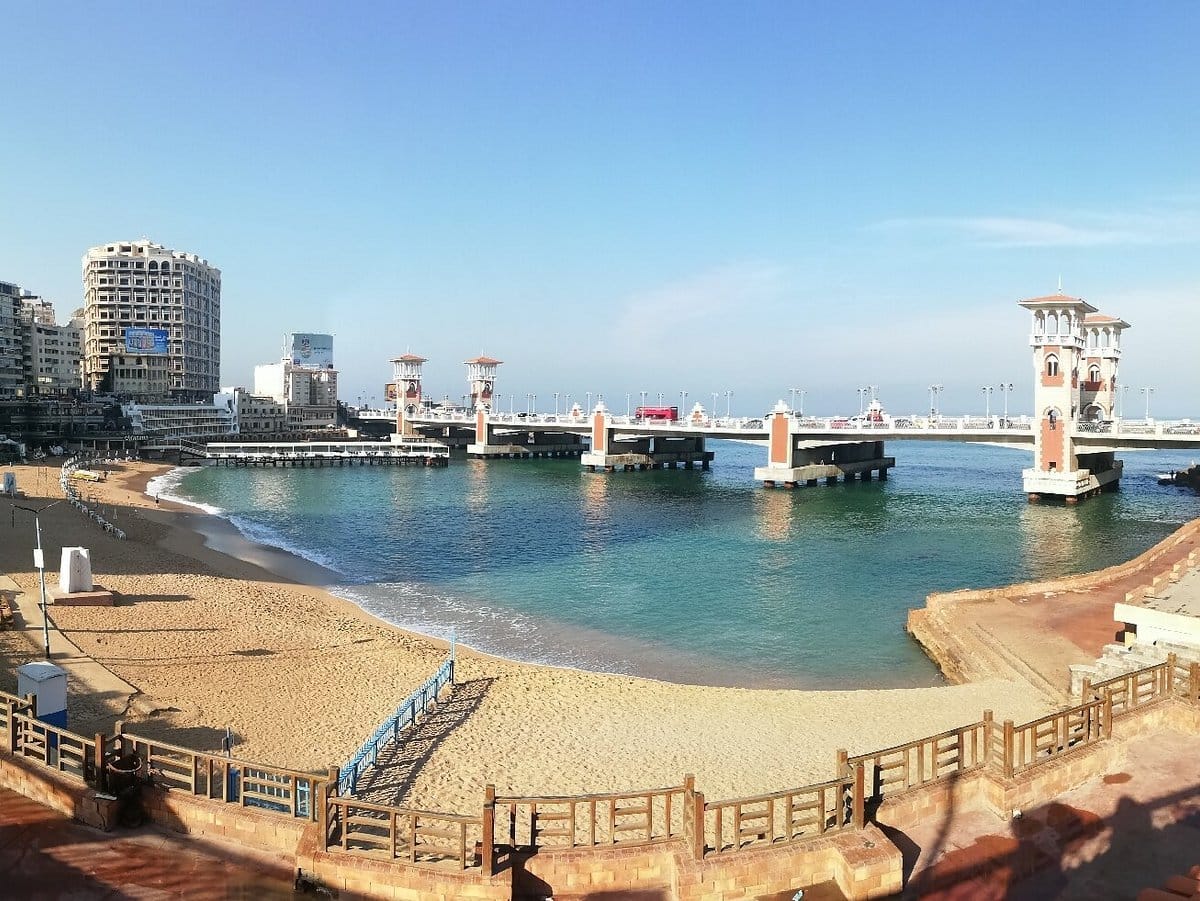
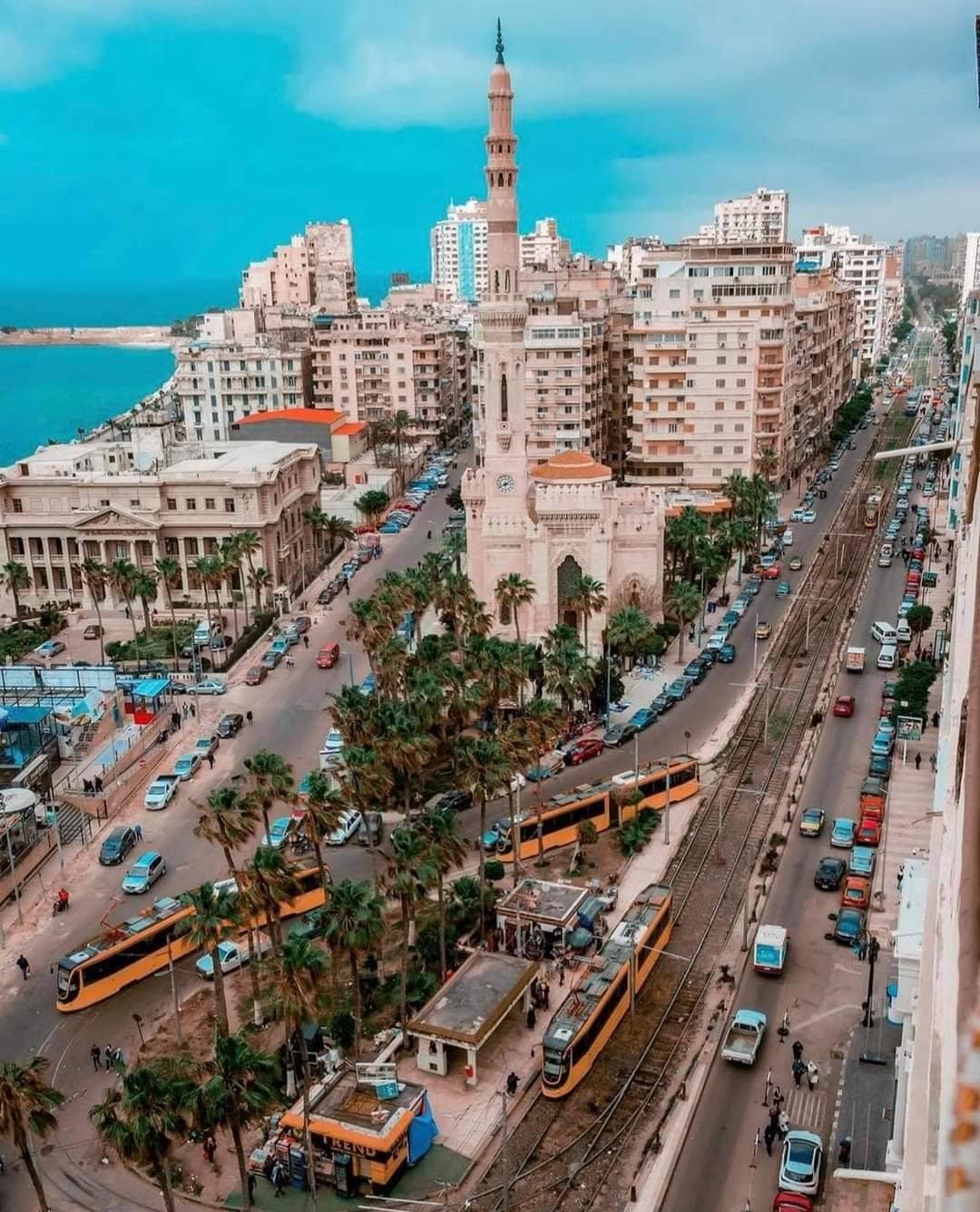
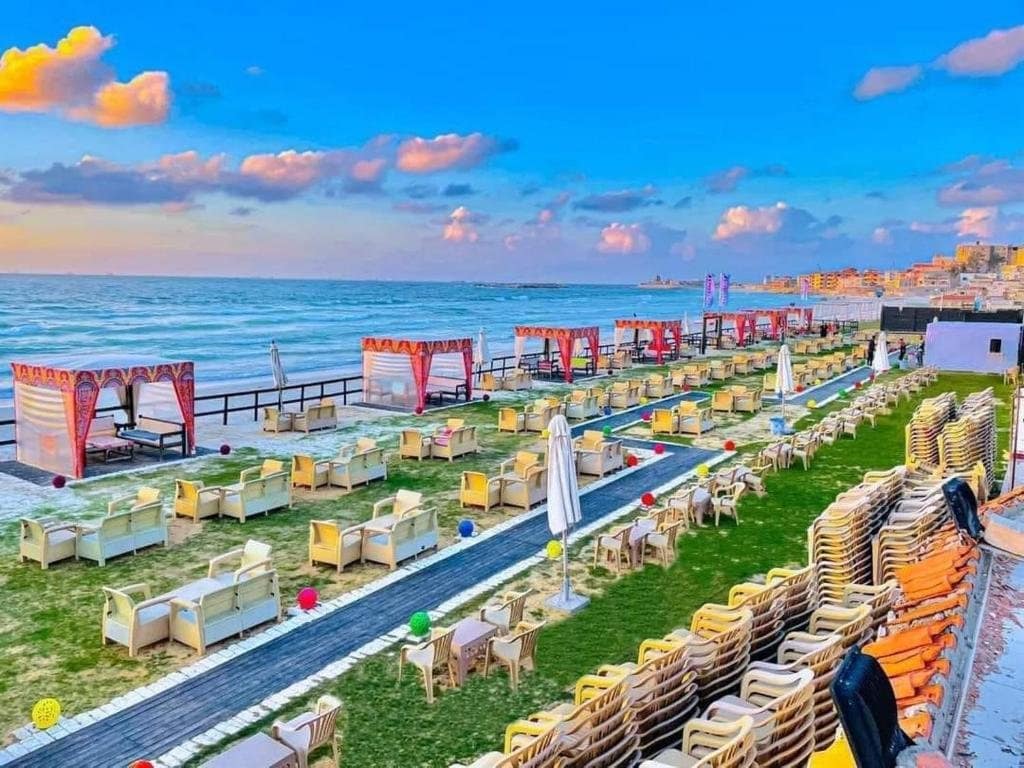
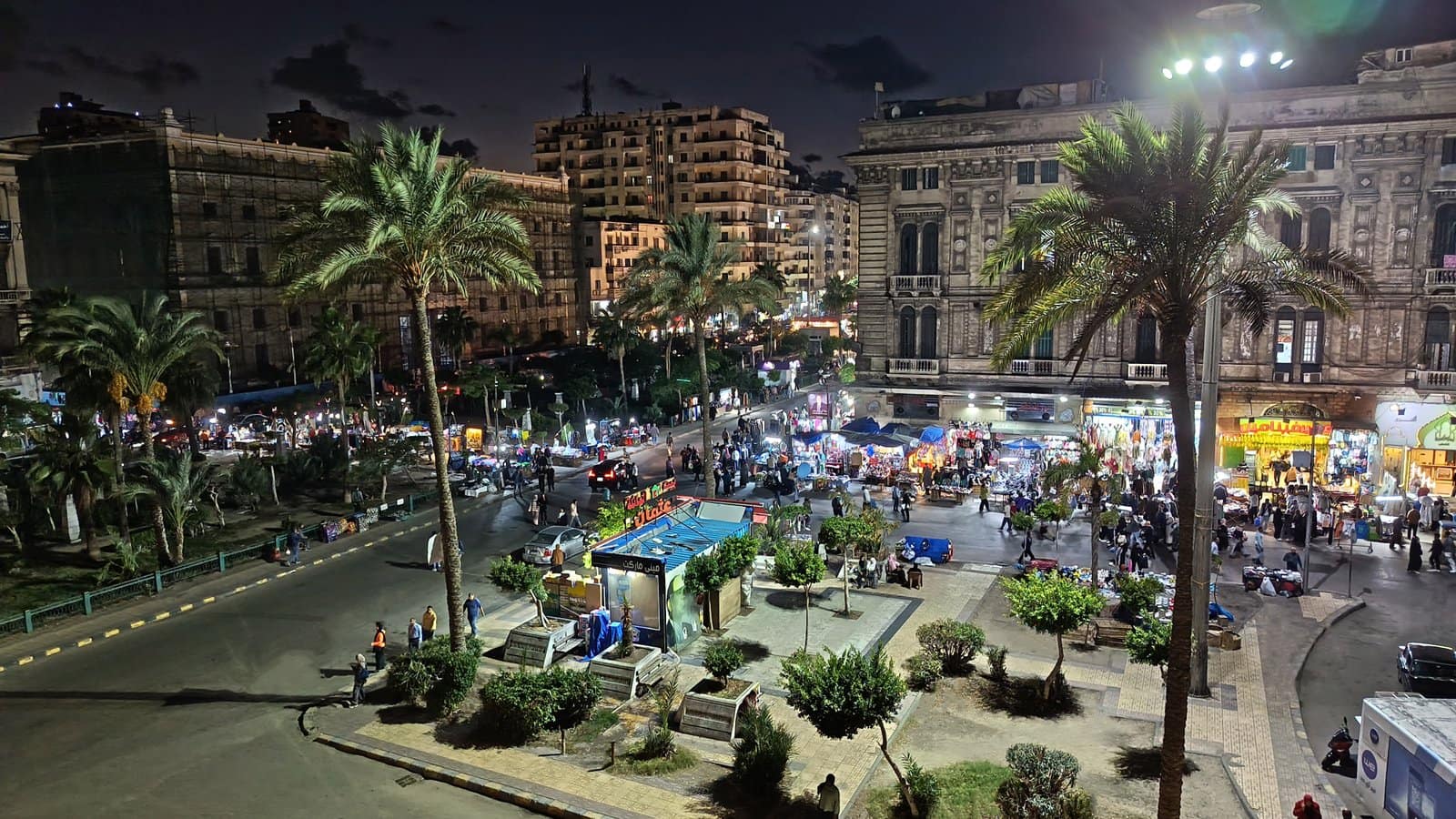
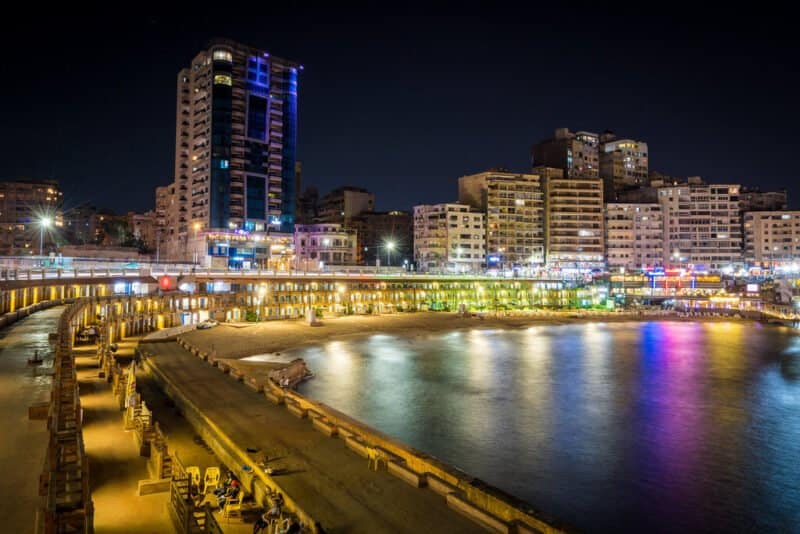
Alexandria is a linear city — everything runs along the coast. Its transport is a mix of historic trams, modern yellow taxis, and urban rail modernization projects.
Operating hours: 5:30 AM – 11:30 PM.
Microbuses (minibuses) are the most flexible but require some Arabic. Fares 3–8 EGP depending on distance. No fixed stops — wave them down anywhere.
Standard metered taxis are available — insist on using the meter. Starting fare 5 EGP.
Getting to the city: Uber/Careem ~250–350 EGP, 45 min. Regional rail projects aim to improve airport connectivity in the future.
Explore Alexandria's layout — a narrow coastal strip, stretching 60 km from Abu Qir in the east to Agami in the west. The corniche is the city's main artery.
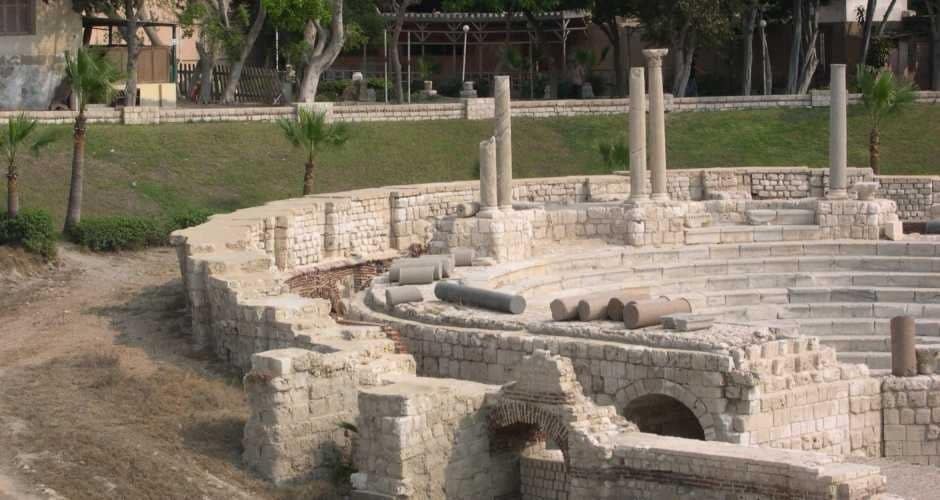
Alexandria's history spans more than 2,300 years — from its foundation by Alexander the Great to its golden age as the capital of the Ptolemaic and Roman Mediterranean. Today, its heritage is visible in Greco‑Roman ruins, Islamic monuments, early Christian sites, and modern landmarks.


Alexandria's Lost Jewish Community
Before 1948, Alexandria was home to one of the world's most vibrant Jewish communities — numbering nearly 40,000. The city's great Jewish philanthropists, writers, and businessmen shaped its modern character. Today fewer than ten Jews live in Alexandria. The Eliyahu Hanavi Synagogue remains a monument to this lost world, carefully restored and protected as part of Egypt's multi‑confessional heritage.

Alexandria is best explored over two to three days. These itineraries group sites by theme and geography, minimising travel time.
Alexandria's cuisine is dominated by the sea — but its street food and traditional dishes are equally memorable. The city's culinary signature is grilled fish, eaten with a view of the Mediterranean.
The Essentials — What Alexandrians Eat
- Grilled Fish (Samak mashwi) — The king of Alexandrian cuisine. Fresh local sea bass, bream, or mullet, seasoned simply with garlic and lemon, grilled over charcoal. The fish markets of Anfoushi and the Eastern Harbour are the best places — choose your fish and have it grilled instantly.
- Seafood Soup (Shorbat Gambari) — A rich, spiced tomato‑based soup with shrimp, squid, mussels, and sometimes other fish. Served with vermicelli rice or bread. Found in every serious fish restaurant.
- Ful & Ta'amiya — Alexandria's breakfast scene is legendary. The city has dozens of famous ful and falafel shops — Mohamed Ahmed near Raml Station is an institution, with queues from 7 AM.
- Alexandrian Liver (Kebda Eskandarani) — Sautéed calf's liver, garlic, chilli, and cumin, served in fresh baladi bread. A classic street sandwich, especially from the liver shops in San Stefano and Gleem.
- Ice Cream — Abou Shanab — A 1930 Alexandrian institution. Their ashta (cream) ice cream, sprinkled with pistachio and dried coconut, is legendary. Branches near Raml Station and on the Corniche.

Lunch: 1:30–4 PM — main meal, seafood especially at weekends
Dinner: 9 PM–midnight — restaurants fill after 9, fish restaurants earlier
Ramadan: Iftar (sunset) on the Corniche and Suhoor (2–4 AM) transform the city. Tents along the coast serve traditional dishes.


Alexandria offers a mix of traditional souks, historic shopping arcades, and modern malls — from the Antique Bazaar to gold markets and contemporary boutiques.
What to Buy in Alexandria
- Gold & Jewellery — Alexandria's gold market is concentrated in the Mansheya district, especially Faransa Street. Gold is sold by weight at the daily international price, plus a small fabrication fee.
- Spices & Perfumes — Attarin district (originally the "perfume market"). Narrow lanes filled with spice shops, perfume oils, and traditional incense. The Street of Spices is an experience as much as a shopping trip.
- Cotton & Linen — Egyptian cotton towels, bed linen, and clothing from shops in Smouha or Heliopolis extensions. El‑Chorbagy is a reliable local chain.
- Books about Alexandria — The area around the Bibliotheca Alexandrina has several bookshops specialising in translations of Cavafy, Durrell, and scholarly works on the city. The Library's own gift shop is excellent.
- Antiques & Collectables — The Attarine and Mansheya areas have a few remaining antique shops selling coins, postcards, pieces of old furniture, and early 20th‑century objects. Bargain firmly.
Market Etiquette
In Alexandria's traditional markets (Attarin, Mansheya, El‑Ammoudia if still active), prices are negotiable. The first price quoted can be 2–3 times the expected final price. This is part of local custom, not dishonesty. Politely counter‑offer at about 40–50% of the initial price, and be prepared to walk away calmly — often the seller will call you back with a lower price. In fixed‑price shops, malls, and inside the Bibliotheca's gift shop, no bargaining is expected.
Practical Tip
Keep small‑denomination Egyptian currency for market purchases. Vendors often claim they have no change for large notes — this is a negotiating tactic. Pay with exact change whenever possible, especially for street food and small souvenirs.


⚠️ Important Disclaimer
Last updated: May 2026. Economic figures, climate data, transport options, and other information on this page are estimates and subject to change. Always verify current conditions, prices, and regulations before making decisions based on this content. EGYPEDIA provides this information as a guide only and assumes no legal responsibility for errors or outdated data.
Alexandria is Egypt's primary maritime gateway, handling approximately 80% of the country's foreign trade through its ports. It is also a major industrial, tourism, and logistics hub — the second‑largest economic centre in Egypt after Cairo.
Key Economic Sectors
Alexandria's economy is driven by logistics, manufacturing, tourism, and services. The city’s industrial zones include Amreya, El‑Max, and Borg El‑Arab. The new El‑Dekheila industrial zone is expanding rapidly.
Business & Investment Zones
- Alexandria Port (Port of Alexandria) — Egypt’s largest seaport, handling bulk and general cargo.
- Dekheila Port / El‑Dekheila Industrial Zone — adjacent to the massive El‑Dekheila steel complex; also handles container and cargo traffic.
- Borg El‑Arab Industrial City — designated industrial city with tax incentives for manufacturing, located near Borg El‑Arab Airport.
- Amreya Industrial Zone — home to petrochemical refineries and the Amreya Oil Refinery (one of the oldest in Egypt).
- Alexandria Information Technology Park (Smart Village Alexandria satellite) — part of Egypt’s tech development plan, located near Smouha.
Doing Business in Alexandria
Enterprises seeking to invest in Alexandria should consult the General Authority for Investment (GAFI) for free zone benefits and tax holidays. The National Bank of Egypt and other major banks have regional headquarters in Alexandria. Egypt’s Golden License (2022) applies to largescale strategic projects nationwide, including Alexandria.
Alexandria has a hot‑summer Mediterranean climate (Köppen: Csa) — characterised by mild, wet winters and hot, dry summers. The sea moderates temperatures, so summers are less extreme than Cairo.
Best Time to Visit Alexandria
Optimal: March–May and October–November — comfortable temperatures, fewer crowds.
Beach season: June–September — hot, humid, very crowded, but perfect if you want to swim in the Mediterranean.
Avoid if you dislike rain: December–February (rainy and grey by Egyptian standards).
Lowest prices: January–February (except local events).
Alexandria’s western location makes it an ideal starting point for exploring the North Coast, the Delta, and even the Western Desert oases. Below are suggested excursions (distances approximate).


10 questions about Alexandria’s history, landmarks, culture, and daily life — from casual visitor to expert level.
Everything in the Egypedia Alexandria Guide — all four parts, every major section, with direct links (links will be active when published).
The City — Overview, Districts & Transport
Alexandria’s identity, history, neighbourhoods, and how to get around
Tourism, Heritage & Food
Greco‑Roman sites, Islamic landmarks, Coptic heritage, restaurants, and more
Living in Alexandria — Expat Guide
Consulates, hospitals, schools, banking, housing, visas, and daily life
Economy, Climate, Day Trips & Quiz
Economic overview, weather guide, excursions, and knowledge test